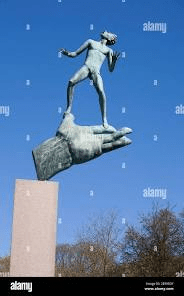
I Desire Mercy, Not Sacrifice-I came to call sinners

Matthew 9:10–13 (ESV)
10 And as Jesus reclined at table in the house, behold, many tax collectors and sinners came and were reclining with Jesus and his disciples. 11 And when the Pharisees saw this, they said to his disciples, “Why does your teacher eat with tax collectors and sinners?” 12 But when he heard it, he said, “Those who are well have no need of a physician, but those who are sick. 13 Go and learn what this means: ‘I desire mercy, and not sacrifice.’ For I came not to call the righteous, but sinners.”


Jesus at the Table of Sinners

Matthew places this scene right after his own calling (Matt. 9:9). A despised tax collector turned disciple, Matthew celebrates his new life by hosting a meal. Jesus reclines at the table with him, surrounded by tax collectors and “sinners.”

In Jewish culture, table fellowship was never casual—it was a declaration of welcome and belonging. To eat with someone was to accept them. By sharing a meal with outcasts, Jesus made a radical theological statement: God’s kingdom welcomes those considered unclean, those on the margins, those desperate for grace.


The Pharisees’ Question

The Pharisees are scandalized. They ask Jesus’ disciples: “Why does your teacher eat with tax collectors and sinners?” (v. 11).

Their question is more accusation than inquiry. To them, holiness meant separation from impurity. Fellowship with sinners was unthinkable—it risked contamination. In their eyes, Jesus was not preserving holiness but destroying it.

This reveals the Pharisees’ blindness. They were more concerned about outward conformity than inward compassion, about cultural boundaries more than God’s heart. Mercy had no place in their system.


The Physician for the Sick

Jesus answers with an image everyone understands: “Those who are well have no need of a physician, but those who are sick” (v. 12).

Doctors do not avoid the diseased—they run toward them. By implication, Jesus is the Great Physician, whose calling is to heal the spiritually sick. His mission is not about avoiding contamination but bringing restoration.

The irony is sharp. The Pharisees see themselves as “well,” but in reality, their hardness of heart reveals their own sickness. Those who think they are righteous blind themselves to their need for healing.


“I Desire Mercy, Not Sacrifice”

Jesus presses further: “Go and learn what this means: ‘I desire mercy, and not sacrifice’” (v. 13).

This quotation from Hosea 6:6 is a stinging rebuke. In Hosea’s day, Israel’s worship was filled with sacrifices, yet devoid of covenant love. God rejected their empty rituals because their hearts lacked mercy and faithfulness.

By invoking Hosea, Jesus declares that the Pharisees are repeating Israel’s failure. They cling to ritual sacrifice but neglect mercy—the very thing God desires. Outward performance without inward compassion is worthless.

Jesus concludes with a mission statement: “For I came not to call the righteous, but sinners.” He did not come to reward the self-assured but to redeem the broken. His table is open to the desperate, the weary, the guilty. Mercy is the entry ticket, not merit.


Mercy: The Heart of God

What is mercy? In Scripture, mercy is not passive pity but active compassion. The Hebrew word (hesed) in Hosea 6:6 points to covenant love—faithful kindness toward the undeserving. The Greek word (eleos) emphasizes compassion that moves into action.

Sacrifice without mercy is hollow religion. Mercy, however, reflects the heart of God. The cross itself is the ultimate demonstration: as Christ’s blood poured out, we saw divine compassion toward sinners who deserved judgment.


Mercy Moves Us to Evangelism

Why do many Christians struggle with evangelism or missions? Could it be that we lack the mercy of God burning in our hearts?

Mercy compels. When Jesus saw the crowds, He was “moved with compassion” (Matt. 9:36). He did not merely feel pity; He acted, teaching, healing, and shepherding the lost.

Without mercy, evangelism becomes duty. With mercy, it becomes delight. The more we experience God’s mercy personally, the more we long for others to know it.

But too often, like the Pharisees, we become numb. The constant flood of suffering in the world—spiritual and physical—can make us withdraw in helplessness. We stop feeling. We stop acting. That’s why we need continual renewal in the Spirit. Only God’s mercy can soften our hearts again.


Mercy Heals the Sick

Mercy also shapes how we respond to physical suffering. Jesus repeatedly healed on the Sabbath, provoking the Pharisees. He exposed their hypocrisy: they would rescue an ox that fell into a pit on the Sabbath, yet refuse to heal a suffering human being (Luke 14:5).

Mercy moves toward the sick, even when inconvenient.

Today, many churches practice mercy through social justice—feeding the hungry, serving the poor, mentoring youth. These are good and necessary works. But mercy must also extend to the sick and brokenhearted. James commands the church: “Is anyone among you sick? Let them call the elders of the church to pray over them and anoint them with oil in the name of the Lord” (James 5:14).

Sadly, prayer for healing is often neglected. Instead, churches default to asking for doctors to succeed. While medical care is a gift, biblical mercy calls us to pray boldly for God’s healing power. Healing prayer is not easy—it requires faith, persistence, and courage. But mercy presses us to act anyway.


Mercy Over Sacrifice in the Church

What would it look like for the church today to embody Jesus’ words?

  • People over programs: valuing relationships more than routines.
  • Compassion over comfort: moving toward the messy and broken instead of retreating into safe spaces.
  • Prayer over passivity: laying hands on the sick, even when uncertain, rather than avoiding the risk of disappointment.
  • Evangelism through empathy: sharing Christ not out of guilt, but out of deep compassion for the lost.

Sacrifice without mercy is lifeless religion. Mercy breathes life into the church.


The Cross: Mercy in Full

At the cross, we see mercy in its fullest expression. Jesus bore our sin, not because we deserved it, but because His compassion compelled Him. His sacrifice was filled with mercy, unlike the empty sacrifices of the Pharisees.

From the cross, Jesus calls His followers to extend that same mercy outward. To sinners. To the sick. To the weary. To the forgotten.


Conclusion

Jesus’ words in Matthew 9 are as relevant today as they were then: “I desire mercy, not sacrifice. For I came not to call the righteous, but sinners.”

The Pharisees missed it. They chose performance over compassion, ritual over relationship. But Jesus reveals the heart of God: mercy for the undeserving, compassion for the broken, grace for sinners.

In a world drowning in suffering, we cannot afford to grow numb. We need the mercy of God to awaken us, to propel us, to move us outward. Mercy evangelizes. Mercy heals. Mercy acts.

Jesus still desires mercy—not sacrifice. And when His mercy fills us, it will overflow to those around us.


I desire mercy, and not sacrifice

Matthew 9:10–13 (ESV)

10 And as Jesus reclined at table in the house, behold, many tax collectors and sinners came and were reclining with Jesus and his disciples. 11 And when the Pharisees saw this, they said to his disciples, “Why does your teacher eat with tax collectors and sinners?” 12 But when he heard it, he said, “Those who are well have no need of a physician, but those who are sick. 13 Go and learn what this means: ‘I desire mercy, and not sacrifice.’ For I came not to call the righteous, but sinners.”

Jesus said, “I desire mercy and not sacrifice, for I came not to call the righteous, but sinners.” The Pharisees showed no emotion, empathy for sinners, but they were more concerned about legalistic outside show, cultural requirements. Look at their question, “Why does your teacher eat with tax collectors and sinners?” They have absolutely no mercy for the spiritually sick. Jesus profoundly said I desire mercy, not sacrifice. You know how big a statement is that?

Mercy is such an appealing attractive attribute of God, and I thank God every day for his mercy and compassion.

If he didn’t have that we’ll all be condemned. Jesus is essentially saying he wants the church to have mercy, and not sacrifice. What is sacrifice? In the context of what happened in that passage, sacrifice refers to not to eat with tax collectors and sinners trying to adhere mechanically to the Torah or the mosaic laws. But there is one overriding factor that overrides all the legalistic laws and legalism, and that is the mercy of God. When you look at the cross you see the mercy of God. You see the blood dripping down from the body of the son of God on the cross, you see the mercy of God for us.

That’s why when Jesus said I desire mercy, and not sacrifice, obviously that is such a phenomenal statement! Part of the reason that Christians are not evangelizing, reaching out to the lost, and missions is they lack of the mercy of God in their lives. They’re not seeing that as important, they do not seem to care after a while. They are kind of numbed by the brokenness in the world that they see daily including myself. I am guilty to that and part of the reason I struggle with is that, we lack the refreshing renewal of the knowledge of God and the impartation of the Spirit. When Jesus said to the Pharisees that he came to meet with Matthew, because he is broken like we all are, and by his grace, He chose Matthew. Pharisees said that he is made ‘dirty’ because he sits with the tax collectors. You see there are so many times the Pharisees are problematic.

On one Sabbath day Jesus healed a cripple, the Pharisees challenged Jesus and want to watch upon him see if he will heal a man on the Sabbath day. Jesus famously challenged them when you have your donkey or your horse dropped into a pit on the Sabbath day, would you not rescue your animal? And here it is the son of Abraham in sickness, and you won’t heal him? That’s the mercy of God!

We are so numbed by the things of the world that we are so incapacitated in some way to reach out to the sick, the spiritual sick

We are so numbed by the things of the world that we are so incapacitated in some way to reach out to the sick, the spiritual sick and physical sick because we feel a sense of helplessness. And the comfortable thing to do, therefore, as you feel so helpless is just to give up and move on in life.

And may I argue from the fact that we lack the mercy of God. That mercy of God’s will propel us to actions. I would also say that the reason we are showing a lack of mercy is because we feel we have a lack of ability to really help. That’s precisely the reason why so many Christians do not evangelize or share the gospel and outreach, that’s because of the fear of rejection, and our lack of success, and because realistically, the harvest is really not there, we may argue. But the reality is it is hard, the soul market so to speak.

That’s why we need all the more the mercy of God as a propellant inside our lives.

There’s something powerful and beautiful about the mercy of God. Because when you see the sick, the spiritual sick, needy brokenness and people in trouble and hardship, in tears, you feel compassion for them. You feel your heart is swelling up with mercy and that is from God. And that mercy will turn you into action. I would argue that one of the reasons churches are not praying enough for the sick, is because they are showing a lack of mercy of God. They rather do sacrifice, but no mercy. Not because there are not kind, but because their internal mindset has been numbed and also felt discouraged with unbelief. Let’s face it, healing doesn’t come easy, by any means. If you see somebody who is sick physically, do the churches pray for the sick today? They hardly do. I would certainly choose to pray for the sick every single Sunday, stretch your hands and believe by faith.

A lot of churches today are big on mercy ministry, in what is called the social justice

That is feeding the poor, helping the underprivileged youths etcetera. They are all good things to do but I’m arguing that that mercy is not extended enough towards those with physical sickness, which is the main pattern of Jesus ministry, and Paul’s. Those people who are physically sick coming to church, no one from the church is reaching out to them by praying for the sick. Or emotionally sick, depresssed, etc. They rather praying for the doctor to have wisdom to cure them. This is very alien to Jesus ministry or even Paul or Peter for that matter. And that’s why I will advocate strongly that churches today should administer healing and praying for the sick. In fact in James he says bringing the sick and lay hands on them put oil upon them. Laying hands on them to bring healing is a very biblical thing to do.

We need both.

上帝在北京的指纹:灵修反思


2025年9月6日 / Al Ngu,神学硕士

我和妻子最近刚从中国北京旅行归来。在为期一周的时间里,我们漫步于古老的街道,参观帝王的宫殿,感受这座既现代又深植于五千年文化底蕴的城市。我带回家的不仅是照片和纪念品,还有对北京人民、历史以及上帝真理以令人惊奇的方式闪耀在他们文化中的深刻印象。

回顾我们的经历,我意识到北京对我来说不仅仅是一个旅游胜地。在这里,我看到了上帝的指纹——在仁慈、秩序、安全、历史以及人心的渴望中。圣经教导我们,上帝“将永生安置在世人心里”(传道书3:11)。我在北京看到的是一种无论有意还是无意都在追求永恒的文化。

1. 彬彬有礼的中国人
中国人给我留下的第一印象就是他们的礼貌。我来自纽约,那里的街道常常充满着匆忙、推搡和不耐烦,而北京的氛围却让我大吃一惊。

在北京熙熙攘攘的人行道上,挤满了人和电动摩托车,却有一种令人震惊的彬彬有礼。骑摩托车的人不会惊扰行人,只会礼貌地鸣笛然后过去。行人需要让路时,也会轻声说一声“对不起”,这在他们文化中相当于“打扰一下”。

我特别记得一件事:在商场购物时,我问一位售货员哪里有修鞋店。她好心地指了指路。几分钟后,她意识到我们走错了方向,便气喘吁吁地追了上去,只是为了确保我们不会迷路。她服务他人的决心令人敬佩。

还有一次,在机场,篮子里掉了个东西。我还没来得及弯腰,旁边的一位工作人员就赶紧伸手捡了起来。我热情地向她道谢,她只是笑着回答:“没关系。”

这些小举动看似平常,但合在一起却揭示了深刻的道理:上帝的形象刻在每个人身上。即使在一个许多人不认识基督的国家,仁慈和温柔也闪耀着光芒。正如保罗在罗马书2:14中提醒我们的那样:“没有律法的外邦人,若顺着本性行律法上的事……就显出律法的功用刻在他们心里。”

在中国人的礼貌中,我瞥见了上帝普遍的恩典。这让我想起,无论我们走到世界的哪个角落,拥有祂形象的人都不可避免地会反映出祂的某种属性——即使是模糊的,即使是无意识的。

  1. 安全感与安全感的幻觉
    另一个印象是安全感。在纽约,有些街区日落之后我绝不会穿过。然而在北京,我却可以在夜晚自由行走,毫无恐惧。街上没有无家可归的迹象,没有恶意游荡的人群,人们的眼中也没有危险的暗流。

我们的导游解释说,这种安全很大程度上归功于政府的监控系统。摄像头几乎监控着这座城市的每个角落。导游甚至告诉我们,如果有人把行李箱放在机场外无人看管,三十分钟后可能还会在那里,毫发无损。

从人的角度来看,这种程度的安全令人印象深刻。然而,当我反思时,我意识到真正的安全并非来自摄像头或人为的控制系统。圣经教导说:“若不是耶和华看守城池,守望的人就枉然警醒。”(诗篇 127:1)

北京的宁静让我想起了一种更深层的平安——只有上帝才能赐予的平安。监控或许可以遏制犯罪,但无法遏制罪恶。只有基督改变人心的大能才能带来真正的安全、真正的完全和真正的平安。终有一天,在新耶路撒冷,将不再需要摄像头、锁和卫兵。上帝将亲自与祂的子民同住,凡不洁净的,决不能进入(启示录 21:27)。

  1. 对永恒的古老渴望
    或许我们旅程中最引人入胜的部分是参观紫禁城。在皇帝宫殿的城墙内,我从建筑和象征意义中看到了一种文化对永生、和谐与和平的深切渴望。

建筑的颜色、城门的位置、庭院的布局——所有这些都承载着精神意义。龙装饰着柱子,象征着皇权。清晨,香烟缭绕,皇帝从宝座上向外望去,仿佛置身天堂。甚至连建筑中雕刻的动物——龟、凤凰、狮子——都是因为人们相信它们属于天堂而选择的。

我们的导游解释说,皇帝每年两次斋戒,带领全国人民进行祭祀。

献给天上的上帝。数百头牲畜被宰杀。人们献上祷告,并非为了敬拜上帝本身,而是祈求丰收和国家繁荣。

这与旧约的相似之处立刻引起了我的注意。像以色列一样,中国古代的皇帝也知道有一位更高的力量掌管着雨水和收成。像以色列一样,他们献上祭品,希望获得恩惠。然而,与以色列人不同,他们的祭品指向即将到来的弥赛亚,而中国的祭品则止于象征意义。它们揭示了人心对永恒的渴望,但却缺乏只有基督才能提供的满足。

这让我想起保罗对雅典人说的话:“各位雅典人,我看你们凡事敬畏神……你们所不认识所拜的,我现在告诉你们。”(使徒行传17:22-23)中国皇帝渴望永生,但唯有基督才能赐予。他们的祭品寻求祝福,但基督一劳永逸地成为了终极的祭品。

  1. 圣经在中国语言和文化中的回响
    更让我惊叹的是,圣经真理在汉语和传统中得到了深刻的体现。

以“舟”字为例,它由三个部分组成:偏旁部首“舟”加上“八”和“口”(意为“人”)。换句话说,船上载着八个人——这正是进入诺亚方舟的人数。

或者想想“撒旦”字。它由上方两棵树组成,下方是一个鬼魂或恶魔。这是否反映了蛇在伊甸园的树下引诱亚当和夏娃的场景?

甚至文化传统也反映了圣经中的事件。例如,中国家庭长期以来在门上悬挂红布以驱赶邪灵。这与以色列人的逾越节多么相似,当时人们将羔羊的血涂在门柱上,以便死亡天使能够经过。

这些是巧合吗?我认为不是。它们低语着一个更伟大的故事——在上帝通过巴别塔驱散列国之前,全人类曾经共享的真理的回响(创世记 11 章)。从那时起,各支派遍布全球,带着记忆的碎片,带着真神的踪迹,这些都深深地烙印在他们的语言、传统和仪式中。

在北京,我看到了这些痕迹的全貌。它们指向一个非凡的真理:圣经中的上帝并非只是以色列部落的神。他是所有国家的创造者,他的故事从一开始就触动了每一个民族。

  1. 龙与仇敌
    然而,在这些真理的​​回响旁边,也存在着扭曲的证据。例如,龙就渗透到中国文化中。龙被雕刻在宫殿中,被装饰在长袍上,象征着皇帝的神圣权力。皇帝甚至被称为“天子”,这个称号危险地接近了对神的崇拜。

但圣经明确指出:那条龙就是撒旦本人(启示录 12:9)。北京文化尊崇为力量象征的事物,在圣经中却被揭露为上帝子民的敌人。由此,我们看到了堕落人类的悲剧——对永恒的渴望与谎言交织在一起,真理的碎片被仇敌败坏。

罗马书1章很好地描述了这种动态:“他们将不能朽坏之神的荣耀变为偶像,仿佛必朽坏的人和飞禽、走兽、昆虫的样式”(罗马书1:23)。人类渴望上帝,但由于缺乏启示,我们转向象征和偶像。我们敬拜受造物而不是造物主。

  1. 今日中国的福音
    然而,故事并未就此结束。在我们这个时代,中国见证了历史上最快的教会增长运动之一。尽管遭受迫害和限制,福音仍然扎根并大能传播。如今,数百万中国信徒敬拜基督为主,拒绝龙,拥抱羔羊。

这简直是奇迹。曾经不认识真神而祭祀天国的同一种文化,如今正通过耶稣基督献上属灵的祭物。曾经回响着挪亚和伊甸园的语言,如今却承载着对救主的赞美之歌。

这是启示录7:9的活生生的见证——有一天,“各国、各族、各民、各方”的众多人将站在宝座和羔羊面前,身穿白衣,宣告祂的救恩。

  1. 结论:更伟大的故事
    当我漫步北京时,我意识到我所看到的不仅仅是宫殿和纪念碑。我瞥见了一种文化内心的呼喊——对永恒、和平、超越死亡的渴望。

我确信,这种渴望正是上帝在每个国家播下的种子。中国皇帝的祭祀、龙的形象、以及对和谐的建筑追求——所有这些都是人类对唯有基督才能提供的事物的不懈追求。

在基督里,这种追求结束了。皇帝渴望长寿,但基督赐予永生。人民为祝福而牺牲,但基督却一次献出自己,永远地奉献。巨龙欺骗,但基督已得胜。

因此,当我离开北京时,我带走的不仅仅是我自己大都市的记忆,以及更新的信念:福音是属于所有人的。上帝的指纹无处不在,指引我们走向耶稣。终有一天,从东到西,从南到北,得救赎的人将聚集在祂的桌旁(路加福音 13:29)。

直到那一天,我们宣扬基督——不仅在纽约市,更要传遍地极。

God’s Fingerprints in Beijing: A Devotional Reflection

My wife and I recently returned from a journey to Beijing, China. For one week we walked the ancient streets, entered palaces of emperors, and observed a city both modern and deeply rooted in 5,000 years of culture. What I carried home with me were not only photos and souvenirs, but deep impressions of the people, their history, and the surprising ways in which God’s truth shines through their culture.

As I reflected on our experiences, I realized that Beijing was more than a tourist destination for me. It became a place where I saw God’s fingerprints—in kindness, in order, in safety, in history, and in the very longings of the human heart. Scripture teaches us that God has “set eternity in the human heart” (Ecclesiastes 3:11). What I saw in Beijing was a culture that, knowingly or not, has been reaching for the eternal.


1. The Courtesy of a Gentle People

The very first thing that struck me about the Chinese people was their courtesy. Coming from New York City, where the streets are often filled with rushing, shoving, and impatience, I was stunned at how different the atmosphere felt in Beijing.

On Beijing’s busy sidewalks, crowded with people and electric motorbikes, there was a striking gentleness. Motorbike riders, instead of startling pedestrians, would simply honk politely and pass by. Pedestrians themselves, when needing to move past us, would say a soft “sorry,” their cultural equivalent of “excuse me.”

I remember one moment in particular: while shopping in a mall, I asked a sales clerk where I could find a shoe repair shop. She kindly pointed the way. A few minutes later, after realizing we had gone in the wrong direction, she ran after us, out of breath, just to make sure we didn’t get lost. Her determination to serve was humbling.

Another time, while at the airport, something fell from our basket. Before I could bend down, a nearby staff member quickly reached to pick it up. When I thanked her warmly, she simply smiled and replied, “No problem.”

These small gestures might seem ordinary, but together they revealed something profound: the image of God written into every human being. Even in a nation where many do not know Christ, kindness and gentleness shine through. As Paul reminds us in Romans 2:14, “When Gentiles, who do not have the law, do by nature things required by the law… they show that the requirements of the law are written on their hearts.”

In the courtesy of the Chinese people, I caught a glimpse of God’s common grace. It reminded me that wherever we go in the world, His image-bearers cannot help but reflect something of His nature—even if dimly, even if unknowingly.


2. Safety and the Illusion of Security

Another impression was the sense of safety. In New York City, there are neighborhoods I would not walk through after sunset. Yet in Beijing, I walked freely at night with no sense of fear. There were no signs of homelessness on the streets, no groups loitering with malice, no undercurrent of danger in people’s eyes.

Our tour guide explained that this safety was due, in large part, to the government’s surveillance system. Cameras monitor nearly every corner of the city. The guide even told us that if someone left a suitcase unattended outside the airport, it might still be there thirty minutes later, untouched.

From a human perspective, this level of safety is impressive. Yet as I reflected, I was reminded that true security does not come from cameras or human systems of control. Scripture teaches, “Unless the Lord watches over the city, the watchman stays awake in vain” (Psalm 127:1).

Beijing’s peace reminded me of a deeper peace—the peace that only God can give. Surveillance may restrain crime, but it cannot restrain sin. Only the transforming power of Christ can bring true safety, true wholeness, true shalom. One day, in the New Jerusalem, there will be no need for cameras, locks, or guards. God Himself will dwell with His people, and nothing impure will ever enter (Revelation 21:27).


3. Ancient Longings for Eternity

Perhaps the most fascinating part of our journey was visiting the Forbidden City. There, within the walls of the emperor’s palace, I saw in architecture and symbolism a culture’s deep longing for immortality, harmony, and peace.

The colors of the buildings, the placement of gates, the arrangement of courtyards—all carried spiritual meaning. Dragons adorned the pillars, symbolizing imperial power. Incense smoke rose in the morning, filling the air as the emperor looked out from his throne, giving him the illusion of sitting in heaven. Even the animals sculpted into the architecture—turtles, phoenixes, lions—were chosen because they were believed to belong in paradise.

Our guide explained that twice a year, the emperor would fast and lead the nation in sacrifice to the God of heaven. Hundreds of animals were slaughtered. Prayers were offered, not in worship of God for who He is, but as requests for good harvests and national prosperity.

The parallels to the Old Testament struck me immediately. Like Israel, China’s ancient emperors knew there was a higher power who controlled the rains and the harvest. Like Israel, they brought sacrifices, hoping to secure favor. Yet unlike Israel, who were pointed by their sacrifices to the coming Messiah, China’s sacrifices stopped at the symbol. They revealed the longing of the human heart for eternity, but they lacked the fulfillment only Christ provides.

This reminded me of Paul’s words to the Athenians: “Men of Athens, I perceive that in every way you are very religious… What you worship as unknown, this I proclaim to you” (Acts 17:22–23). The Chinese emperors longed for eternal life, but Christ alone offers it. Their sacrifices sought blessings, but Christ became the ultimate sacrifice once for all.


4. Echoes of the Bible in Chinese Language and Culture

What amazed me further were the echoes of biblical truth embedded in the Chinese written language and traditions.

Take, for example, the character for “boat” is (船). It is composed of three parts: the radical for “boat,” plus “eight” and “mouths” (meaning people). In other words: a boat with eight people—precisely the number who entered Noah’s ark.

Or consider the character for “Satan”, (魔). It is formed from two trees above, with a ghost or demon beneath. Could this be a reflection of the serpent tempting Adam and Eve under the trees in Eden?

Even cultural traditions mirror biblical events. For instance, Chinese families have long hung red cloth above their doorways to ward off evil spirits. How similar this is to Israel’s Passover, when lamb’s blood was placed on doorposts so that the angel of death would pass by.

Are these coincidences? I believe not. They are whispers of a greater story—echoes of the truth that all humanity once shared before God scattered the nations at Babel (Genesis 11). From that moment, tribes spread across the earth, carrying fragments of memory, traces of the true God, embedded in their languages, traditions, and rituals.

In Beijing, I saw these traces in full color. And they point to a remarkable truth: the God of the Bible is not the tribal god of Israel only. He is the Creator of all nations, and His story has touched every people from the beginning.


5. The Dragon and the Enemy

Yet alongside these echoes of truth lies evidence of distortion. The dragon, for example, permeates Chinese culture. Carved into palaces, emblazoned on robes, the dragon symbolized the emperor’s divine power. The emperor was even called “the Son of Heaven,” a title dangerously close to divine worship.

But Scripture is clear: the dragon is none other than Satan himself (Revelation 12:9). What Beijing’s culture revered as a symbol of strength, Scripture unmasks as the enemy of God’s people. Here we see the tragedy of fallen humanity—longings for eternity mingled with lies, fragments of truth corrupted by the adversary.

Romans 1 describes this dynamic well: “They exchanged the glory of the immortal God for images resembling mortal man and birds and animals and creeping things” (Romans 1:23). Humanity longs for God, but without revelation, we turn to symbols and idols. We worship the creature instead of the Creator.


6. The Gospel in China Today

And yet, the story does not end there. In our own time, China has witnessed one of the fastest church growth movements in history. Despite persecution, despite restrictions, the gospel has taken root and spread with power. Millions of Chinese believers now worship Christ as Lord, rejecting the dragon and embracing the Lamb.

This is nothing short of miraculous. The same culture that once sacrificed to heaven without knowing the true God is now offering spiritual sacrifices through Jesus Christ. The same language that once carried echoes of Noah and Eden now carries songs of praise to the Savior.

It is a living testimony of Revelation 7:9—that one day a great multitude from “every nation, tribe, people, and language” will stand before the throne and before the Lamb, clothed in white, proclaiming His salvation.


7. Conclusion: The Greater Story

As I walked through Beijing, I realized I was not just looking at palaces and monuments. I was glimpsing a culture’s heart cry—a longing for eternity, for peace, for life beyond death.

And that longing, I am convinced, is the same one God has planted in every nation. The Chinese emperor’s sacrifices, the dragon imagery, the architectural pursuit of harmony—all of it is humanity’s restless search for what only Christ can provide.

In Christ, the search ends. The emperor longed for longevity, but Christ offers eternal life. The people sacrificed for blessings, but Christ gave Himself once for all. The dragon deceives, but Christ has conquered.

So as I left Beijing, I carried with me not just memories of a great city, but a renewed conviction: the gospel is for all peoples. God’s fingerprints are everywhere, pointing us to Jesus. And one day, from east and west, from north and south, the redeemed will gather at His table (Luke 13:29).

Until that day, we proclaim Christ—not only in New York City, but to the ends of the earth.