God promised Jeremiah 29:14 that says. “I will be found by your declares the Lord, and I will restore your fortunes and gather you from all nations that I have driven you.” This is truly a very comforting and reassuring verse showing the promise of God. But I want to explore with you why does God want us to call upon him and pray to him and seek him?
Well the answer is pretty simple and that is in v 11, “… for I know the plans I have for you, declares the Lord, plans to prosper you and not to harm you, and to give you a future and a hope.” Now v12 is significant because it says, “Thenyou will call upon me and come and pray to me, and I will hear you.”
The word ‘then’ is a result of verse 11 talking about God’s plan to prosper you and not to harm you but to give you a future and hope. This is Israel going through exile in Babylon, was sent to Babylon because of their disobedience to God and their sin before him and God exiled them to Babylon for 70 years for a purpose essentially to discipline them and to teach them to humble themselves.
Motivation to seek him and pray to God
V11 …for I know the plans I have for you, to prosper you, to give you a future and a hope
v10 God said, “I will fulfill to you my promise and bring you back.” v11 “…for I know the plans I have for you, to prosper you, to give you a future and a hope” is a mighty motivation. That is a promise. A big promise.
The word ‘prosper’ in Hebrew:
—1. prosperity, success: a) Lv 26:6 Nu 6:26 Dt 23:7 Is 48:18 60:17, 48:22 = 57:21 52:7 = Nah 2:1 שְׁלוֹם הָעִיר Jr 29:7, מַחְשְׁבוֹת שָׁ׳ Jr 29:11 (rather as 7b).
Ludwig Koehler, Walter Baumgartner, M. E. J. Richardson, and Johann Jakob Stamm, The Hebrew and Aramaic lexicon of the Old Testament, 1994–2000, 1507.
That’s the kind of thing you want to know so that you can have the strength and the determination and stamina to continue to wait upon the Lord and not to give up because God promised. But how long does it take we don’t know but a lot of times God uses this kind of situation to mold and shape us. So if you are going through a times of waiting and crying out to God for a long time and have yet to hear from him, this kind of verses will be very strengthening to you and I, so we need to hang on to the promise of God.
Jeremiah 29:11–12 11 For I know the plans I have for you,” declares the Lord, “plans to prosper you and not to harm you, plans to give you hope and a future. 12 Then you will call on me and come and pray to me, and I will listen to you.
Because those words that he said “I know my plans for you plans to prosper you and not to harm you, plans to give you hope and the future”, it’s the premise or the basis for God to say in v 12 “Then you will call upon me and pray to me and I will listen to you.”
And God is so kind to promise to assure us he has a plan for us to prosperous and and to give us a hope in the future first before he said in v12 then you will call upon me and come and pray to me and he promised to listen to us.
Meditate over “I know the plans for us, a plan to prosper us not to harm us, a plan to give us hope and a future”
So folks it is incredibly important to understand verse 11 first and internalize it because once we are really knowing that God’s promise: viz “I knows the plans for us, a plan to prosper us not to harm us, a plan to give us hope and a future,” then we can settle down settle in the presence of God and call upon God and pray to him over short period or long period even until he listens to us and responds. How long does it take for him to respond, we don’t know. But what we do know is based on his promise for the plan to prosper us and to give us hope and future, we can therefore persevere and put our hope in God in Christ without being wavered. Based on that promise we must internalize in our hearts that God would do it for us therefore we will call upon him continually and without giving up. I think this is really important for us to continue to pray to him even in the absence of response from him because he promised and we shall plough on.
Jeremiah 29:12–14 12 Then you will call on me and come and pray to me, and I will listen to you. 13 You will seek me and find me when you seek me with all your heart. 14 I will be found by you,” declares the Lord, “and will bring you back from captivity. I will gather you from all the nations and places where I have banished you,” declares the Lord, “and will bring you back to the place from which I carried you into exile.”
Any verse 13 God says, “You will seek me and find me when you seek me with all your heart.” Now the condition is to seek God with all our hearts which means never give up even over a long period of time.
God promised, “I will be found by you declares the Lord and I will bring you back from captivity.”
You can apply that to yourself whatever that’s lost in your lives and whatever you struggled, whatever you pray for restoration. God promised to bring us back from the loss of what the enemy has ravished your family or lives or ministry or whatever. And the time of restoration will come and God will prosper us.
I love the fact that He has a plan for me and I’m gonna stick to that. And I hope you will be too. Amen.
This is an article about what God said in Isaiah 42:4 that he would not rest until he established justice on earth. As we all know justice is such a huge topic today in our modern world and including many Christians today. But there is a difference between the justice that’s being fought today which is commonly called social justice, compared to the justice God is fighting for in Isaiah 42. I will have to qualify that the what God fights for also includes that social justice which is really oppression, ethnic oppression, the poor by the rich abuses etcetera.
So this is really important to understand what is God talking about in Isaiah 42.
Behold my servant, whom I uphold, my chosen, in whom my soul delights; I have put my Spirit upon him; he will bring forth justice to the nations. 2 He will not cry aloud or lift up his voice, or make it heard in the street; 3 a bruised reed he will not break, and a faintly burning wick he will not quench; he will faithfully bring forth justice. 4 He will not grow faint or be discouraged[a] till he has established justice in the earth; and the coastlands wait for his law.
You can see that the Lord said that He puts His Spirit upon him, and His servant will bring forth justice to the nations V1-2. And then verse 4 God says He will not grow faint or be discouraged till He’s established justice in the earth. So we want to find out what is this word ‘justice’ all about. In order to understand what that word justice mean in Isaiah 42:4 we need to look at Isaiah 41 first.
Justice that God fights for is the justice between Him and the idols
Isaiah 41:21–24 (ESV)
Set forth your case, says the Lord; bring your proofs, says the King of Jacob. 22 Let them bring them, and tell us what is to happen. Tell us the former things, what they are, that we may consider them, that we may know their outcome; or declare to us the things to come.
God is challenging the idols to speak to Him, and ask them to set forth their case! And even bring their proofs! Do you know this is how God speaks to the idols in your life my life because the God of the universe the creator of the whole cosmic powers totally transcends and overpowers any idols of the cosmic darkness in this society in our culture.
God blasts idols as “nothing”
Here God is challenging the so called idols to tell God what happened before and what’s going to happen. God is really talking down on them because they are nothing exactly what the Bible says.
24 Behold, you are nothing, and your work is less than nothing; an abomination is he who chooses you.
Behold you are nothing, here is the most blatant and blazoned calling out of who these idols are really are and they are nothing. And God warned whoever chooses them will become an abomination.
My point is seeing how God talks down and condescendingly upon the idols and calling the idols as nothing, whereas they are beholden as precious to so many people including Christians in this world. The lesson here is they really are nothing and we must be liberated and set free from them.
Examples of who idols are in our life could be money, power, sex, culture overall as commonly portrayed in the city of New York or any Hollywood movies. Whenever we struggle with these idols in our lives just remember the Lord God we worship talks down on them and calling them as nothing. It’s best that we remember this and be cognizant of this wherever we go and bear this in mind and in our prayers and never be like a fool.
Now we are moving into the exciting part now:
Isaiah 42:3 (ESV) 3 a bruised reed he will not break, and a faintly burning wick he will not quench; he will faithfully bring forth justice.
So the question is what is this “justice”?
What is this “justice”?
Justice (mišpāṭ) is the leading idea of this first Servant Song, pointing to the scope of the servant’s work, his reliability in its discharge and his perseverance through to its accomplishment.[1]
The word mišpāt is versatile, but its sense is plain in context. In the light of the foregoing court scene it must retain its meaning of ‘judgment at law’, the result of the trial between the Lord and the idols. The servant thus carries to the world the message that there is only one God. [2]
The word justice as depicted here is almost like the prime calling of the anointed servant of the Lord, which is really the Son of God himself, our Lord Jesus Christ. Therefore it’s really important to know its meaning in the context here. Justice is usually understood as equity or fighting against oppression or injustice, and very often understood as ‘social justice’ against the rich oppressing or colonizing lords.
But here justice is understood as ‘judgement at law’, the result of the trail between the Lord and idols. After you read Isiah 41, you will understand the anger, wrath, God vents at those idols, calling them as nothing! ’
Justice means God’s Kingdom, power & Glory
Therefore in effect, God is seeking to judge them with law, and bring about justice, as in a sense, God has been unjustly treated, as the idols robbed God’s honor and authority as the Lord over Israel and our lives today. God is seeking that ‘justice’.
So it’s really God seeking to re-establish His dominance, as the Lord’s prayer says “:For thine is the kingdom, power and glory forever.” And that’s our God. But the idols in our lives robbed that from our God, and hence Jesus has come to this world to seek to establish ‘justice’. And He accomplished that above all things, at the cross, where He died, and resurrected from the dead, having broken the power of death and Satan who holds the power of death.
Amen
[1] J. A. Motyer, The Prophecy of Isaiah: An Introduction & Commentary, (Downers Grove, IL: InterVarsity Press, 1996), 318–319.
[2] J. A. Motyer, The Prophecy of Isaiah: An Introduction & Commentary, (Downers Grove, IL: InterVarsity Press, 1996), 319.
Been thinking about the congruent power of the Spirit and the reformed theology how’s that going to work out in practice which is something I would love to see being implemented. There is a remnant of reformed pastors with the charismatic background are doing some of both, I have my own vision of what it should look like that I would love to see.
Make it spontaneous and authentic
Recently we visited a church and I saw their charismatic inclination or to have people coming up to be prayed for. I see there is positive and negative on that. The negative is that after a while, because this is being performed week in and week out, it almost feels like the congregation looks forward to be prayed for and making this whole exercise rather routinely repetitive. It sort of takes off the supernatural edge to it meaning it can become mundanely routine. I think this will cultivate a psyche for people to long to be touched by the Lord which I fully understand, from my charismatic church background, however I really do not see that scenario in the Bible, in the case of the Lord Jesus or Paul or Peter. I think if people long to be touched by the Lord and be blessed by God’s healing and touch because of a great need, they should act like the blind, the crippled crying for Jesus, or the woman with the bleeding problem pushing in among men to reach Jesus to be healed. That makes it so authentically real and powerful.
God responds to hungry hearts, longing hearts
God is not interested in amnesia kind of desire or lukewarm Christianity. What I’m saying is that from the scripture I see the initiative of the people to come to Christ to be healed came to Christ, and not the other way round. I recognize that we are not in the realm of Christ or anywhere remotely near him, but I would say that a better way to execute and not perform healing, is to have a general prayer from the pulpit for all people who have needs of healing of sicknesses perhaps by them putting their hands on on the body that need healing. Or to save time we can also ask that anyone who needs healing to put your hands up, which is in line with the scripture because the crippled or the blind always come to Christ to make themselves known. I think there’s a far better way of executing the healing power of Christ to the congregation without dragging the meeting or spending too much time on everyone else.
Depth of Preaching
The second really important aspect I observed is the lack of depth in preaching. It is not something to criticize or any sort but this is really falling far short of the reformed preaching of exposition of the scripture the reformed theology is doing so well. That’s why it’s my burden to exhort my charismatic church pastors’ leaders, pastors to consider to look into learning theology in a far deeper way or else we will end up speaking in rather superficial way in a very fast to application format of preaching. And also I see that there is a lack of argument for a case in the sermon because there is none. It is pretty much more towards experiential and application types straight away without much exegesis at all. And I will say using “the Lord told me” in certain direction of preaching is rather questionable because this can form a shortcut in doing proper research and study of exegetical requirements of the word of God. I was really awakened to the contrast in the depth of preaching in the argument in preaching like Martin Lloyd Jones said “preaching is logic on fire” and that’s exactly what I want to do, and would love to see in reformed pulpit or charismatic pulpit.
Learn from our tradition & history
My last point would be just to emphasize the depth and the theological understanding insight from the reformed world like Calvin, Augustine, bathing, Edward is really something that we should take hold of and run with. For example I did a 30 minutes teaching on Christology taken mostly from Bavinck and I’ve found that astonishingly rich theology that I was not aware of even after gotten my own MDiv. But the beautiful thing is after you got your MDiv, you are kind of being trained to dissect and to analyze any theology books you read and make your own decision whether it is in line with the scripture, in context. I would say the non reformed world has missed a lot in this, the intellectual and pastoral great minds of our history.
This is a brilliant analysis by Herman Bavinck and I totally agree with that. I find it tremendously difficult to follow the line of supra, Lapsarian theology.
Its the God of compassion responding to the fall that he started to elect some humans to salvation in Christ and pass over others which is called reprobation. The logical sequence is what is making sense here. Eph 1:4-5 says even as he chose in him before the foundation of the world, that we should be holy and blameless before him. He in love he predestined us for adoption to serve his son through Jesus Christ, according to the purpose of his will. Bavinck explains that God’s council is a single, eternal, and indivisible act of his will, and creation, the fall, election, and redemption. Eph 1:4-5 highlights the election occur before the foundation of the world, this refers to the eternity of God’s decree, not as logical priority over the fall. In God’s timeless eternity, all aspects of the decree, creation, fall, election are also simultaneous, but theology distinguishes the logicality to understand their relationships.
Infra Lapsarian is about the logical, not temporal, order of God’s decrees
Bavinck argues that God’s election Eph 1:4-5 presupposes of fallen humanity in need of redemption. The phrase he chose us in him ( Christ) indicates the elections always in Christ, the media of redemption.
The goal of election that we should be holy and blameless and for adoption himself points to God redemptive purpose to a fallen state
Bavinck argues the election addresses human sinfulness, aiming to restore and adopt sinners into God’s family. This alliance with infra Lapsarian emphasizes on election as God’s mercy response to the fall, rather than a supra Lapsarian view: election seem to necessitate the fall to display God’s glory.
Addressing the tension
The apparent tension Eph 1:4-5, before the foundation of the world may seem to favor supra Lapsarian in that election precedes the fall. Bavinck resolved this by distinguishes logical and temporal order. The phrase does not imply the election logically proceeds the fall, but that all God’s decrees are eternal.
Infra Lapsarian orders the decrees logically ; God’s decree to create, permit the fall, and then elect some to election salvation in Eph 1:4-5 affirm that eternity of this plan, not its sequence.
Critique supra Lapsarian for potentially making the fall and necessary means to display God’s glory, which would imply God authored sin. Infra Lapsarian in his view, better preserved God’s justice, and mercy by seeing election as a response to the fall, not its cause.
I think this whole thing is brilliant. It really helped me– praise be to God.
Covenant theology is a very significant class that I took in the global class by remote taught by Dr Ligon Duncan. To say that it is a central theme of reformed theology is an understatement because it really encompasses the relational outworking of the divine sovereign almighty God with his creation human beings, whom He loved even before the foundation of the world.
Ephesians 1:3–5 (ESV)
3 Blessed be the God and Father of our Lord Jesus Christ, who has blessed us in Christ with every spiritual blessing in the heavenly places, 4 even as he chose us in him before the foundation of the world, that we should be holy and blameless before him. In love 5 he predestined us for adoption to himself as sons through Jesus Christ, according to the purpose of his will,
I mean even that sentence itself, requires a covenantal and definitely the sovereign God way of thinking to even grasp that. It really is a way God relates to his chosen ones through a covenant whereby he expressed it well most well during his encounter with Abraham in genesis 15. In genesis 15 God asked Abraham to cut some animals into carcasses and spread it on the floor and how he’s going to establish a covenant with Abraham:
Genesis 15:7–21 (ESV)
7 And he said to him, “I am the Lord who brought you out from Ur of the Chaldeans to give you this land to possess.” 8 But he said, “O Lord God, how am I to know that I shall possess it?”
The powerful thing about this passage how God revealed himself to Abraham when Abraham asked innocent naive question that, ” How I know that I will possess the land and have thousands of children when I am childless.” And instead of answering him directly God did the following.
9 He said to him, “Bring me a heifer three years old, a female goat three years old, a ram three years old, a turtledove, and a young pigeon.” 10 And he brought him all these, cut them in half, and laid each half over against the other. But he did not cut the birds in half. 11 And when birds of prey came down on the carcasses, Abram drove them away. 17 When the sun had gone down and it was dark, behold, a smoking fire pot and a flaming torch passed between these pieces.
God told Abraham to bring a heifer and a female goat and a ram a total dove and a young pigeon and cut them in half and lay on the ground and when the sun had gone down it was dark as smoking fire pot, and a flaming torch passed between these pieces. Do you know what is this flaming torch? The answer is God himself passed between these pieces of Caucasus on the ground. The question is what does it mean? In the olden days at those time it is the culture and custom of that time the vassal and the suzer in making a covenant of promise, the lesser party in this case is Abraham should pass between the carcasses meaning to say that if he breaks the covenant, he will be torn apart like the animals’ carcasses on the ground. However in this covenant making ceremony, God actually put himself in the lesser party of vassal and passed between the Caucasus in the form of a flaming torch.
What God is saying is I will pass between the carcasses and if I break the covenant I would be torn like the carcasses. In fact this is a prophetic picture that’s going to be fulfilled by the son of God Jesus Christ when he was torn apart on the cross and died because humans broke the covenant with God, or the children of Abraham broke the covenant with God. And instead of Abraham being torn apart all the children of Abraham, which is us today, God sent his son to fill in the position as a Lamb of God being sacrificed. This is precisely what happened when God passed between the carcasses in the field in the form of a flaming torch because he is prophetically saying one day God will be torn as a God man to fulfill this covenant that I’m making with Abraham and his children.
To me this is one of the most moving pictures of who God is and what God has done for us through the Abrahamic covenant. I would never forget this story and this biblical exegesis by Dr Duncan on this event that I have used it numerous times in my preaching, and it has impacted my life, and this is part of a covenant theology class.
Ephesians 1:3–5 (ESV)3 Blessed be the God and Father of our Lord Jesus Christ, who has blessed us in Christ with every spiritual blessing in the heavenly places, 4 even as he chose us in him before the foundation of the world, that we should be holy and blameless before him. In love 5 he predestined us for adoption to himself as sons through Jesus Christ, according to the purpose of his will,
I mean even that sentence itself, requires a covenantal and definitely the sovereign God way of thinking to even grasp that. It really is a way God relates to his chosen ones through a covenant whereby he expressed it well most well during his encounter with Abraham in genesis 15. In genesis 15 God asked Abraham to cut some animals into carcasses and spread it on the floor and how he’s going to establish a covenant with Abraham:
Genesis 15:7–21 (ESV)7 And he said to him, “I am the Lord who brought you out from Ur of the Chaldeans to give you this land to possess.” 8 But he said, “O Lord God, how am I to know that I shall possess it?”
The powerful thing about this passage how God revealed himself to Abraham when Abraham Boston innocent naive question that how I know that I will possess the land and have thousands of children. And instead of answering him directly God did the following.
9 He said to him, “Bring me a heifer three years old, a female goat three years old, a ram three years old, a turtledove, and a young pigeon.” 10 And he brought him all these, cut them in half, and laid each half over against the other. But he did not cut the birds in half. 11 And when birds of prey came down on the carcasses, Abram drove them away. 17 When the sun had gone down and it was dark, behold, a smoking fire pot and a flaming torch passed between these pieces.
God told Abraham to bring a heifer and a female goat and a ram a total dove and a young pigeon and cut them in half and lay on the ground and when the sun had gone down it was dark as smoking fire pot and a flaming torch passed between these pieces. Do you know what is this flaming torch? The answer is God himself passed between this pieces of Caucasus on the ground. The question is what does it mean?
In the olden days at those time it is the culture and accused them of that time the vassal and the succer in making a covenant of promise, the lesser party in this case is Abraham should pass between the carcases meaning to say that if he breaks the covenant he will be torn apart like the animals carcasses on the ground. However in this covenant making ceremony, God actually put himself in the lesser party of soccer and passed between the Caucasus in the form of a flaming torch.
What God is saying is I will pass between the carcasses and if I break the covenant I would be torn like the carcasses. In fact this is a prophetic picture that’s going to be fulfilled by the son of God Jesus Christ when he was torn apart on the cross and died because humans broke the covenant with God or the children of Abraham broke the covenant with God.
And instead of Abraham being torn apart all the children of Abraham which is us today, God sent his son to fill in the position as a Lamb of God being sacrificed. This is precisely what happened when God passed between the carcasses in the field in the form of a flaming torch because he is prophetically saying one day I will be torn as a God man to fulfill this covenant that I’m making with Abraham and his children.
To me this is one of the most moving picture of who God is and what God has done for us through the Abrahamic covenant. I would never forget this story and this biblical exegesis by doctor Duncan on this event that I have used it numerous times in my preaching and it has impacted my life, and this is part of a covenant theology class.
I will be graduating this May 2025 in RTS Orlando with MDiv, a fruit of the long 7 years labor and journey, and I like to inspire more to join seminaries in the reformed teachings.
Why I joined Seminary and God’s huge blessings thru it
I embarked on an incredible journey of my life in New York City on 2018 with great excitement and thankfulness and gratefulness in my heart for MABS (master’s in biblical studies) in RTS (Reformed Theological Seminary) NYC that was started and brought in by Dr Tim Keller, probably the most influential and well-known pastor in Manhattan or New York City. I transitioned and upgraded myself to MDiv (Master Divinity) in 2022 in hybrid MDiv in RTS Orlando.
I had been sort of in a wilderness for few years after a failed church plant in Manhattan and what helped me tremendously over that period of time is listening to Tim Keller’s wonderful expository sermons. And the more I listened to him, the more I came to realize that I needed to have something that he has which I don’t have, and that is the theological knowledge and biblical knowledge he has and the philosophical knowledge too. I realized planting and pastoring a church in Manhattan is a different ball game from where we planted and pastored churches in Kota Kinabalu, Kuching before in Malaysia which were very successful. This is always something lingering in my mind what is that is lacking in my understanding of theology and to say the least I came from a charismatic church planting movement background with the biblical church vision preaching expository sermons, although short of reformed theology by Tim Keller’s preaching and now definitely in RTS, I did not come from a fly by night or charismatic excess kind of church background, but rather one that is fiercely discipleship making movement. So the question is why hasn’t it worked? But the bigger thing that attracted me in Keller’s sermons is the bigness of the God he preached in, the sovereignty and the grace manifested through the cross of Jesus that I have never really known to that level before. I am so drawn to the grace as a centrality theme in his sermons and now in RTS. And he used extensively philosophies from well-known philosophers from Plato to Nietzsche, Foucault and of course to local writers and thinkers like New York Times and Atlantic journal etcetera which is impressive.
I have no idea a lot of this great insightful theological ideas like Augustinians thoughts and John Calvin’s writings etcetera have largely been covered for decades in the reformed seminary classes and books. And that I found out in my time in RTS. I rejoice that I have access into this bountiful resource of transformative knowledge that defines our existential living. I love to engage in the God who created the universe and poured out his love towards us on the cross, demonstrating the transcendent and immanent God, something that’s truly tantalizing and really attractive and compelling. I never forget the line by John Calvin the says, “If you don’t know who God is, you will never know who you are”, really captured my imagination and really flow in line with my DNA.
MDiv (Master of Divinity) in RTS
MDiv degree in RTS consists of 106 credit hours, one of the highest in the land , second only to Westminster theological seminary which requires 111 credit hours. Southern Baptist theological seminaries MDiv requires 84 credit hours which is also a renowned reformed theological seminary. So to embark on this degree journey in RTS in reformed theology, its not for the faint hearted and definitely if you are bi-vocation in the sense you are not full-time student in the campus like me working full time in my job and that’s why it took me 7 years and that includes literally every night studying and reading and a whole chunk of my weekends too. I have joked and spoken in jest that I haven’t watched a full movie for seven years while my wife has watched a lot.
I transitioned from MA biblical studies (66 credit hours) from RTS New York City to Orlando hybrid MDiv (106 credit hours) which is a really good thing in my opinion in my experience. The breadth and the depth of theology in the core subjects like systematic theology ,biblical theology ,church history ,Hebrew and Greek languages, apologetics, Christology soteriology ecclesiology etcetera are all amply covered in the core subjects. Moving on from there is the applied theology, as opposed to practical theology, which is commonly misunderstood and misused, which is more practical and usable for education and pastoral ministry. However the philosophy classes and the social ethics classes are equally if not more formidable and intense.
As you can see, I jumped from 66 to 106 crazy hours a whopping 40 credit hours jump and it is quite a sacrifice because financially I had to fly like four or five times to Orlando from New York City and pay for rental ABnB and food and car rental etcetera. But not only that I had to take 5 weeks of vacations over three years for the intense hybrid one week 9:00 AM to 9:00 PM lectures and classes each of the weeks.
My Quest for Theological Knowledge & Training
It is indeed an incredible journey 7 years ago which started in 2018 when I heard that Tim Keller is bringing in the well-known reformed Theological Seminary to New York city. and I’ve been searching for Theological Seminary to develop my knowledge and Theology and be thoroughly trained for Ministry having been a pastor for the past10 years or so. So you know I even took up some classes with Gordon Cornwall Seminary having heard Tim Keller graduated from it. You know if anything that Tim recommends, a lot of pastors & Christian leaders would jump into it including myself. So when I heard he’s bringing a top-notch Theological Seminary to New York City, I dropped everything, I immediately applied for it. and that is Reformed Theological Seminary.
Having been a pastor for 10 years or so in a charismatic evangelical church planting movement kind of church around the world and having planted a church in Manhattan City that struggled to keep alive after a couple of years, I felt so much comfort and strengthening and encouragement by listening to the excellent preaching of Tim Keller and at that time we had to pay a dollar for each download of his podcast sermon. and you know these days every sermon of Tim Keller’s free in Gospel in Life. I drew much strength and comfort and insight from the reform theology preached by him and really it drew near me nearer to God. And those were the days I I’ve been encouraged and consoled by the presence of God through his preaching and I longed for some kind of theological training and always marveled at the philosophical insight that he brought into his sermons and the clear biblical theological exegesis of his sermon.
Tim & Kathy Keller Invited us for a Meal for 3rd Cohort Students
It is quite a privilege itself really to be invited to have a meal in Tim & Kathy Keller’s apartment in Manhattan for a meal. It is a great evening when some 15 students gathered together in his apartment and chatted with him in a much more relaxed casual and intimate fashion and Kathy was happy to show us the CS Lewis letters she received and also she wrote to him and also the the photos of her with Tim as well. What impresses me the most is the stacks of books and in his apartment all organized neatly and with indexes and it’s a privilege just to stand in front of the almost feeling like Oxford library. LOL
Tim also taught us in the Christianity in the secular age class in which he taught with Dr Hunter. Tim is truly a master class in understanding the culture in the book he writes for example Center church and also vision to the city book truly demonstrates his vast knowledge and understanding and appreciation of the culture especially in the New York City. He’s a big advocate for people to move into New York City to start churches and that’s why he started this City to City Redeemer movement around the world. It is truly an honor to sit in his class while it was still alive and he is greatly missed. My wife and I still listen to his Gospel in life podcast every week every now and then. He truly is a gem to the body of Christ. He’s not only tremendously knowledgeable on the word of God and very insightful but his spirit is gentleness and full of grace and the overall theme of his preaching is really the word grace although he calls it the gospel centered approach.
My first Class- Greek by Dr Paul Jeon
So in 2018 I started my first class in RTS New York City. As I walked in my first class by Redeemer downtown or midtown office where RTS rents I suppose. I walked into a small class of some 20 plus students and we were all waiting for the professor. And suddenly that professor’s face appeared on the TV screen right in front of us teaching us Greek and that is Dr Paul Jeon. I have never sat through a class where you actually listen and watch the lecture on the TV in front of you or screen and I was pretty astonished. I still remember the one of the classmates asked is that our professor? Wow he looks so young, LOL.
Greek drove me into an entire range of my memory bank challenge to memorize Greek words meaning and they are difficult because there are so many tense categorization combination etcetera and I found Greek which is ancient Greek to begin with very challenging. But in fact I did pretty well and in Greek I and II by sheer memory hard work. I remember that I was walking on the street in Manhattan trying to memorize and making use the last minute before taking the exam walking on the streets of New York City Manhattan going to RTS, and I was holding my phone trying to memorize looking at this Greek words etcetera and this one guy said what were you going. LOL. There’s one time I remember I was studying so hard that I got out of my house and rushed to school RTS Manhattan for class only to find out that I was wearing different colors of socks. What is most difficult is the Greek exegesis class which I didn’t do too well but I found that in preparing for sermons etcetera Greek words really play a vital part and thank God we have this logos software these days and pretty much we could just dive in and pile of this Greek words and sentences within minutes.
Intro to Pastoral & Reformed Theology by Dr Tim Keller & Dr Ligon Duncan
I remember the early days one of my favorite classes is the introduction to reformed theology and pastoral ministry taught by Dr Ligon Duncan and also Dr Tim Keller himself. This tool made such a good combo and team, Keller is so pastoral and insightful in his teaching he actually putting out a lot of notes and always insightful & philosophical. And Dr Ligon Duncan dived into the reformed theology which is really his excellence ability and I really enjoyed the class and I gotta say the that was really a really excellent introduction to reform theology which left a big impact in my life. Till today I want to champion reformed theology and wherever I go in whatever ministry available for me. I found the bigness of God and the greatness of the sovereignty of God as taught and written by John Calvin, Augustine etcetera most fascinating and God glorifying and God and it’s just simply taking the focus from humans to God. To read about Augustine’s confessions book which I did in my class in Orlando, I was shaken up just to see the struggles that Augustine went through and the longing deeply authentic and sincere to find God. I thought this is so inspiring I would never forget Saint Augustine.
I have long desired to publish books to bridge the gap between the charismatic evangelicals and the reformed theology and after being strong conviction of reform theology teaching I’m convinced that God wants me to bridge the two and therefore the first book I will publish is the congruent power of the spirit and reformed theology.
Systematic Theology—Trinitarian God—by Dr Mike Allen
It is in this class that I discovered the magnificence of revelation and insightful theology by our forerunners and forefathers like Augustine and in particular who wrote confessions and the city of God in the most stunning amazing way. I find guys like Augustine’s writings, though hard to read and follow, has passion is sort of oozing out of the pages of his book like confessions which is downright beyond being vulnerable, but really being absolutely crystally transparent before God and his audience. Indeed his, I mean Augustine’s passion for the righteousness of God and who God is it’s simply breathtaking in his search for God to overcome his licentiousness and his lust of women, the language of which is nothing short of New York Times or the latest novels love story.
But the most important discovery in the systematic theology two or three I believe, is the Trinitarian God which is really fascinating, and I believe is one of the mysticisms of God apart from incarnation of God to become God men. In Christianity God consists of three persons, equal in substance. Westminster’s catechism writes 3 persons in the one God, the Father, the Son, and the Holy Spirit. The three are one God, the same in substance and equal in power and glory. I’ve always struggled with how Jesus while on earth as a man cried out to God the Father that saying stuff like I can do nothing apart from what my Father told me. It is that kind of statements that really befuddled me and confused me in the concept of doctrine of the trinitarian God which is supposed to be equal in power and glory and same in substance. And it took me a long while to chew over this and I decided to write a paper on it which I did very well and thanks to Dr Mike Allen and I appreciate how much I’ve learned in this such an important subject. One of the biggest statements in this context is what Paul says that everything in heaven on earth shall be:
1 Corinthians 15:26–28 (ESV)
26 The last enemy to be destroyed is death. 27 For “God has put all things in subjection under his feet.” But when it says, “all things are put in subjection,” it is plain that he is excepted who put all things in subjection under him. 28 When all things are subjected to him, then the Son himself will also be subjected to him who put all things in subjection under him, that God may be all in all.
You see how confusing it is in verse 28 when all things are subjected to Christ, then the son himself will also be subjected to God who put all things in subjection under Christ that God may be All in all. This clearly says Christ the son of God is subordinate to God the Father. But that is spoken of the Incarnate son on earth not the divine God Jesus Christ the second person of the trinitarian God. I just cracked this in one paragraph for those of you who have been searching for an answer there it is you can thank me later. This I got from Dr Allen.
Upgrading myself from MA Biblical Studies to MDiv Master Divinity
Towards the end of my third day or so I’m about to finish my 56 credit hours master of art biblical studies in RTS New York City, I felt really burdened and desiring to extend that to a master of divinity but alas RTS New York City doesn’t offer that, and I out of my own initiative and I felt God enabled me, I started to look for a way to finish my MDiv RTS. After a while and some research, I found that the RTS Orlando actually offered in a hybrid fashion of MDiv master divinity and I quickly checked in with them and finally I got it started. I was required to fly to Orlando for a week each time twice a year to do the hybrid classes. Essentially we are talking about extending from 66 credit hours in MABS to a whopping 106 credit hours in MDiv almost doubled. And also it will also mean spending a lot more money air ticket, AbnB, food, etcetera car rental, it is definitely a huge burden and time. Basically you are doubling the amount of time for me to do MDiv compared to MA.
Thankful to Dr Mike Allen who explained and helped and encouraged me to get into the MDiv hybrid program. Its no easy task for me as the first student to transitioned from MABS to MDiv from NYC to Orlando. There are a number of obstacles and bureaucracies to say the least I had to overcome. I am proud to be the first one from NYC to graduate with MDiv in RTS program, and I have introduced and brought in a second student Winston Tze on the MDiv as well. Dr Allen has also been able to help me about the pathway to do a PhD in systematic & historical theology, of which I ma interested.
Pauline Epistles by Dr Zach Cole
Seriously Dr Zach Cole lectured the class almost like preaching, and a fine engaging fashion, and he is a fiery preacher. If he had given an altar call at the end of the lecture calling for any responses for the call of God as God called Paul, I would respond definitely, the mood was there, the atmosphere was ripe, and the presence of the Holy Spirit was there, using my charismatic language, and background.
And also because the content of Pauline epistles depicts a guy who was so zealous for God and so insightful for God it is not surprising at all the material in itself is so captivating and transformative. And Dr Cole he captured succinctly and presented it and argued over it and exhorted us to follow to embrace the theology of Paul’s. It was really an excellent class and I thoroughly enjoyed it.
There were a couple of times, in this huge class, like 100 students, with me seated pretty much to the back, I raised a few questions, I never forget that a couple of times, I asked some really good questions with my hand raised, and Dr Cole responded accordingly, I could see students in the front rows turned back and looked at me. And later in the bathroom, one student asked me “Al, how did you come up with all the good questions?” I loved that. I seriously engaged in the deep thought process of the lecture, and I chewed over it, and I needed to ask some passionate questions, and I needed to get answers, and it was good.
Poetry by Dr Mark Futato
This is probably one of the most enjoyable and engaging class because doctor furtado is very proficient in Hebrew language and the way he analyzed psalms and song of songs it’s really taking us to another level but above all he is a good preacher and the funny one too. Not only that he’s very personable relating his own life stories and I’m telling you he’s got the class on the feet because it is entertaining funny and intellectually stimulating too kind of hard to combo all this together. His personal pastoral experience and life struggles were shared on display and his love and passion for music and songs it all came through really well and to illustrate the point the students even composed a Spotify list of songs that he loved and quoted. There’s really not a single moment of dull moment in his class and we all thoroughly enjoyed it.
He tended to ask us questions about the direction he’s going and we all were very eager to answer him and hoping to get the right answer. There’s one time he described a situation and then he answers what do you call that? And that I answered hyperbole and he said exactly right. Many heads turned around looked at me I was very pleased.
Covenant Theology by Dr Ligon Duncan
Covenant theology is a very significant class that I took in the global class by remote taught by Dr Ligon Duncan. To say that it is a central theme of reformed theology is an understatement because it really encompasses the relational outworking of the divine sovereign almighty God with his creation human beings, whom He loved even before the foundation of the world.
Ephesians 1:3–5 (ESV)3 Blessed be the God and Father of our Lord Jesus Christ, who has blessed us in Christ with every spiritual blessing in the heavenly places, 4 even as he chose us in him before the foundation of the world, that we should be holy and blameless before him. In love 5 he predestined us for adoption to himself as sons through Jesus Christ, according to the purpose of his will,
I mean even that sentence itself, requires a covenantal and definitely the sovereign God way of thinking to even grasp that. It really is a way God relates to his chosen ones through a covenant whereby he expressed it well most well during his encounter with Abraham in genesis 15. In genesis 15 God asked Abraham to cut some animals into carcasses and spread it on the floor and how he’s going to establish a covenant with Abraham:
Genesis 15:7–21 (ESV)7 And he said to him, “I am the Lord who brought you out from Ur of the Chaldeans to give you this land to possess.” 8 But he said, “O Lord God, how am I to know that I shall possess it?”
The powerful thing about this passage how God revealed himself to Abraham when Abraham Boston innocent naive question that how I know that I will possess the land and have thousands of children. And instead of answering him directly God did the following.
9 He said to him, “Bring me a heifer three years old, a female goat three years old, a ram three years old, a turtledove, and a young pigeon.” 10 And he brought him all these, cut them in half, and laid each half over against the other. But he did not cut the birds in half. 11 And when birds of prey came down on the carcasses, Abram drove them away. 17 When the sun had gone down and it was dark, behold, a smoking fire pot and a flaming torch passed between these pieces.
God told Abraham to bring a heifer and a female goat and a ram a total dove and a young pigeon and cut them in half and lay on the ground and when the sun had gone down it was dark as smoking fire pot and a flaming torch passed between these pieces. Do you know what is this flaming torch? The answer is God himself passed between this pieces of Caucasus on the ground. The question is what does it mean? In the olden days at those time it is the culture and accused them of that time the vassal and the successor in making a covenant of promise, the lesser party in this case is Abraham should pass between the carcases meaning to say that if he breaks the covenant he will be torn apart like the animals carcasses on the ground. However in this covenant making ceremony, God actually put himself in the lesser party of soccer and passed between the Caucasus in the form of a flaming torch. What God is saying is I will pass between the carcasses and if I break the covenant I would be torn like the carcasses. In fact this is a prophetic picture that’s going to be fulfilled by the son of God Jesus Christ when he was torn apart on the cross and died because humans broke the covenant with God or the children of Abraham broke the covenant with God. And instead of Abraham being torn apart all the children of Abraham which is us today, God sent his son to fill in the position as a Lamb of God being sacrificed. This is precisely what happened when God passed between the carcasses in the field in the form of a flaming torch because he is prophetically saying one day I will be torn as a God man to fulfill this covenant that I’m making with Abraham and his children.
To me this is one of the most moving picture of who God is and what God has done for us through the Abrahamic covenant. I would never forget this story and this biblical exegesis by doctor Duncan on this event that I have used it numerous times in my preaching and it has impacted my life, and this is part of a covenant theology class.
Christian Thought & Philosophy by Dr James Anderson
This is really my first time studying philosophy in a Christian seminary context. I’ve always been used to systematic theology, biblical theology but it is really interesting to be able to intersect that with philosophy. This class covered the Greek philosophers like Plato, Aristotle and I think the most influential is Plato who influenced people well known theologians like Aquinas and to a little extent even Augustine. I come to appreciate that Greek philosophy has capitalized some kind of abstract conceptual almost divine being that is being the master of all kind of things and thoughts, the initiator of them all. They move so close to who God is conception is but just can’t get there, and hence it is very sad. This truly speaks of the vanity and frustration of the worldly wisdom and forces in this world to try to mimic God or try to reach the ultimate transcendent. In vain their attempt by some of the greatest worlds philosophers known like Plato, Socrates, Aristotle. They all have come to some kind of conceptualization like the ruler of all rules kind of thing but have just fallen short of it. The biggest problem is that their supreme conceptual idea it’s only an idea but not a being and hence cannot communicate, they cannot love, and interact with humans as the God in Christianity. I think that kind of situation will bring civilization to annihilation simply because it cannot land but it floats in the thin air forever. Therefore it becomes a breeding ground to some of the great influencing philosophers of the modern age like Nietzsche, like a lot of French and other philosophers in trying to deny God but come up with a substitute which is totally devastating and self-defeating. Their philosophies unfortunately have influenced a lot of our schoolbooks and colleges and writings for example Karl Marx thought about communism and a host of others. All these philosophies are conceptual pit problem because of denying and running away from the almighty God who is well perceived and known by the world as in Romans 1
Romans 1:18–21 (ESV)
18 For the wrath of God is revealed from heaven against all ungodliness and unrighteousness of men, who by their unrighteousness suppress the truth. 19 For what can be known about God is plain to them, because God has shown it to them. 20 For his invisible attributes, namely, his eternal power and divine nature, have been clearly perceived, ever since the creation of the world, in the things that have been made. So they are without excuse. 21 For although they knew God, they did not honor him as God or give thanks to him, but they became futile in their thinking, and their foolish hearts were darkened.
Did you see the unleashing of the wrath of God against all ungodliness and unrighteousness of men it’s God’s judgment upon all the philosophical work so they’re trying to detract or distract human beings from knowing and following the only God the creator of the world? As a matter of fact the wrath of God specifically against ungodliness and unrighteousness of men and that is a direct product of any philosophies centering on anything outside of Christ and that is defined as godlessness. Godlessness is commonly understood as doing things that are very ungodly and that is the result of not focusing on the only one true God Jesus Christ and God the Father. And not only that these people not only practice ungodliness, but they actually suppress the truth about Christ as well as exactly what these philosophers are doing like Plato, French Foucault and all these guys.
You can see how the intersection of Christianity’s biblical and systematic theology comes in really powerful together with the worldly and ungodly philosophies of the world. If you don’t have enough grounding on the philosophy like in this class, you won’t know exactly how to engage them by knowing their strengths and weaknesses and how to portray Christ and the gospel as the answer to human brokenness.
Worship by Dr Ligon Duncan
I did a two-credit hour class by remote taught by Dr Ligon Duncan, a wonderful professor/pastor/theologian, insightful and with lots of pastoral experience, and a true reformed pastor theologian. There are a couple of things I can highlight first is what is it’s called the regulative worship which is based on Exodus chapter 2:
Exodus 20:4–5 (NIV)
4 “You shall not make for yourself an image in the form of anything in heaven above or on the earth beneath or in the waters below. 5 You shall not bow down to them or worship them; for I, the Lord your God, am a jealous God, punishing the children for the sin of the parents to the third and fourth generation of those who hate me,
Now if you are like me for my background which is charismatic and not Presbyterian or reformed, looking at this versus which is the second commandment, God said “you shall not make an image of anything in heaven above or earth below and you shall not bow down to them to worship.” Now how do you take that? Do you take that what God is saying here is you shall not make an idol and bow down to the idol because there’s only one God which is our God, right? But that’s not how Westminster’s catechism looking at it. It means you shall not worship the Lord your God in an image of anything on earth or waters below. In other words the Presbyterian interpretation and the Westminster catechisms interpretation is that you make an image and that image is really God himself and which you are not allowed to do. It’s not like you worship another God but you actually worship the right God but in the wrong way using the imagery. So it is very different from the common evangelical backgrounds understanding. The common understanding of evangelical background and charismatic is that that image is an idol, but for Westminster catechism and Presbyterian Reformed Church that idol at that image is actually God himself in the context of the warning by God to Israel.
In other words it’s about how you worship not just who you worship that is captured in the second commandment in Exodus 20 verse 4 to 5. Case in point Israel bowed down to the golden calf under the leadership of Aaron when God was not around for 40 days talking to Moses and they got impatient. So based on this interpretation essentially the people of Israel actually worshipped God but in the form of golden cow which is ludicrous to me and a lot of people. However I’ll leave that for now as Westminster catechism has a lot of smart people and theologians.
So this is how the whole concept of regulative worship comes about whereby the way you worship God must be based upon the word of God which is the revelation of who God is by himself. And that is called being regulated or regulative worship.
I do appreciate the intensity of the richness of the revelation of the word of God and exegetically and systematically and this has really captured my heart. And I do think the regulative worship basically pulled from hymns that consist of psalms essentially which is a really good thing however I will not rule out on the charismatic, the shape of a more contemporary expressive heart emotion heart field worship songs as well .
Gift of the Spirit in Worship Class—by Dr Ligon Duncan
1 Corinthians 14:29–33 (ESV)
29 Let two or three prophets speak, and let the others weigh what is said. 30 If a revelation is made to another sitting there, let the first be silent. 31 For you can all prophesy one by one, so that all may learn and all be encouraged, 32 and the spirits of prophets are subject to prophets. 33 For God is not a God of confusion but of peace.
The gift of the spirit is very prominent subject in the Kingdom of God as Christ has given us this gift to fulfill the Great Commission to spread the gospel and to edify the Saints. In the reformed world there’s quite a bit of teaching about the cessation of the gifting unfortunately but here in the worship class by doctor Duncan he expounded on 1st Corinthian 14 clearly regarding orderly worship the fact that if you got a prophecy wait for your turn so that it will be orderly. I totally appreciate this statement being dead this CEO of RTS of reform theology systematic theology and the chancellor endorses the continuation of gifts in that sense of the prophecy and it must be done properly and orderly. The problem is just today it is so orderly that it simply doesn’t exist and which is a shame.
What we need is orderly expression of the prophetic gifting as Paul said:
1 Corinthians 14:1–5 (ESV) Pursue love, and earnestly desire the spiritual gifts, especially that you may prophesy. 2 For one who speaks in a tongue speaks not to men but to God; for no one understands him, but he utters mysteries in the Spirit. 3 On the other hand, the one who prophesies speaks to people for their upbuilding and encouragement and consolation. 4 The one who speaks in a tongue builds up himself, but the one who prophesies builds up the church. 5 Now I want you all to speak in tongues, but even more to prophesy. The one who prophesies is greater than the one who speaks in tongues, unless someone interprets, so that the church may be built up.
Posts a clearly and instructed that we should pursue love, and earnestly desire the spiritual gift, especially the gift of prophecy. Whatever happened to the gift of prophecy as Paul exhorted us in first Corinthian 14 in our churches today, I have no idea. Speaking in tongues is very controversial: but Paul said:
1 Corinthians 14:39–40 (ESV) 39 So, my brothers, earnestly desire to prophesy, and do not forbid speaking in tongues. 40 But all things should be done decently and in order.
Paul clearly instructed and exhorted us not to forbid speaking tongues and guess what? Because it is so controversial and so mystical most churches come apart from Pentecostal and charismatic churches have stopped speaking in this mystical language of God.
I will be expounding this fully in another book but suffice to say that speaking in tongues is so controversial because people do not understand it properly. And prophecy should be encouraged in church because it’s edifies the whole church the church. The main prophetic voice will be in the preaching from the pulpit I agree. And there should be prophecy in the proper way just like first Corinthians chapter 14.
31 For you can all prophesy one by one, so that all may learn and all be encouraged, 32 and the spirits of prophets are subject to prophets. 33 For God is not a God of confusion but of peace.
Classics/Personal Devotion by Rev John Mueller
This is a one-hour credit hour class on personal devotion which I took in Orlando and the lecturer gave up a ton of books to read which is highly edifying books on like
Thomas brooks precious remedies against Satan’s devices
Calvin, Little book on the Christian life
Thomas Kempis, The imitation of Christ
Jonathan Edwards, Heaven, world of love
Vos, Heavenly mindedness
Augustine, the confessions
You can see that we were assigned top reformed books on meditation and truly they are transformative and some of them are not easy to read a hugely profitable. One thing that really has helped me and I appreciate much through this entire MD course is the introduction to all the fantastic books that i should be reading and reach out to.
Preaching Lab I, II, Com I, II by Rev Larry Kirk
These are practical exegetical classes on expositional sermons and learning how to communicate that and it is wonderful to have real life practice in class format and being graded accordingly by professor. I really enjoyed this class and uh to to see various students in the expositional preaching and putting my own up there is very satisfying the common feedback for my preaching is the sense my passion but there are times that they do not feel it’s a kind of well organized. I do appreciate the feedback from professor and the students alike and I could see that with different feedback and I think we preach like 3 or 4 times over two or three weeks period time and it’s been wonderful. Professor Larry Kirk has been most pastoral and a very experienced preacher and pastor has been most helpful and encouraging to me and the rest.
Christianity and ethics
I also enjoyed this class very much basically taking the 10 commandments and extrapolated to our society today it was clearly engaging our society by the 10 commandments. I love the article I wrote all the paper I wrote on the reasons for complementarianism which is a huge deal for reformed world. I was very happy about that paper and I learned a lot from it and I think it is an important to clarify this is very important position.
Christian witness or engagement with Islam
That was the last class I took, a 2 credit hours class. A really interesting and in-depth study on the religion of Islam and how much Quran has really taken a lot of stuff from especially the Old Testament of our Bible like Abraham offered up his son Isaac became Abraham offered up his son Ishmael which is really shocking. They also used essentially the gospel of Barnabas an apocrypha book and included that that into Quran which is another shocking thing. Suffice to say that it is very illuminating to see the struggles of humanity longing for a God that truly revealed himself to us it’s really something we should pursue and I believe gospel in Jesus Christ is a solution for the depravity and downfall of humanity and we need it.
Conclusion
I highlighted the specific classes I enjoyed much and something that I can talk about but there are others a lot more 106 credit hours in fact I did 107 actually, there are also very good and enjoyable but these are the highlights. I pray that this should be a personal encouragement to many who seek to serve the Lord in the ministry of preaching and pastoral work that a reformed theology in the form of MDiv is definitely something I wholeheartedly recommend. May God bless you.
4 “You shall not make for yourself an image in the form of anything in heaven above or on the earth beneath or in the waters below. 5 You shall not bow down to them or worship them; for I, the Lord your God,
So the question is simply when you red Exodus 20:4 which is the 2nd commandment of the Ten Commandments, do you take that as “do not bow down to idols”? Or do you read it as “Do not make for yourself an image and take that as its Yahweh form”?
Exodus 20:4–6 (NIV)
4 “You shall not make for yourself an image in the form of anything in heaven above or on the earth beneath or in the waters below. 5 You shall not bow down to them or worship them; for I, the Lord your God, am a jealous God, punishing the children for the sin of the parents to the third and fourth generation of those who hate me, 6 but showing love to a thousand generations of those who love me and keep my commandments.
Peter Enns expounded: “Second commandment (vv. 4–6). This commandment goes into greater detail than the first, and it seems to follow it logically. But its meaning is not entirely clear. The basic prohibition is against making an idol in the form of any created thing. But does “idol” refer to an idol of one of the gods spoken of inverse 3 (3 “You shall have no other gods before me.) or does it include any sort of representation of Yahweh himself? The commandment certainly entails at least the former. Idols that the Israelites had seen were idols of other gods, a ubiquitous ancient custom.”[1]
That’s a valid question: Does the verse “you have no other gods before me” also include any sort of representation of Yahweh himself? My first read and have had that mindset is , v3 & v4 is definitely referring to other “gods” that being worshipped by Israelites or us today, and hence become idols in their hearts. But now Enn’s interpretation takes a twist, or rather he broadened it to also God forbidding anyone to take the idol as a sort of representation of God himself. And that’s exactly what Presbyterian worship called “Regulative Worship” stands on, i.e. you can’t worship God, albeit the right God, i.e. Jesus Christ, in any way or from you like. Because that would be akin to breaking the 2nd commandment. And hence PCA has come up with the doctrine of “regulative worship” i.e., you can worship God in the way He prescribed in the Bible as per Ex 20:4-5.
Enns further writes, “The second commandment, therefore, is to be understood within the framework of the first. It expands the first, which is why the first two commandments have sometimes been thought of as one.10 The Israelites are not to worship other gods; therefore, they are not to make any idol of any kind. They are not to represent these other gods by any earthly, created form. [2]
Exodus 20:2–5 (ESV)
2 “I am the Lord your God, who brought you out of the land of Egypt, out of the house of slavery.
3 “You shall have no other gods before me.
4 “You shall not make for yourself a carved image, or any likeness of anything that is in heaven above, or that is in the earth beneath, or that is in the water under the earth. 5 You shall not bow down to them or serve them, for I the Lord your God am a jealous God, visiting the iniquity of the fathers on the children to the third and the fourth generation of those who hate me,
Enns continues, “Are we to conclude that this prohibition allows the Israelites to make idols of Yahweh. Absolutely not! Part of this command is also to prevent Israel from identifying the true God with any created thing. To identify God with any created thing is merely one step from thinking of God in terms of that image. It would be creating God in the image of his creation, which would put Israel’s God on par with the gods of the nations. Thus, I suggest that this command has a twofold thrust: Israel is not to do as other peoples do by worshiping the idols of their gods, nor are they to do as other nations do by worshiping their own God that way.” [3]
So Enns is saying that there is a possibility that Israel may identify Yahweh, the true God, with a created thing, taking the cue from v3-4. So my thinking is when God says, “You shall have no other gods before me, and you shall not make an image of anything and NOT bow down to them or worship them”, does He actually also include warning Israel not to identify Him to be worshipped in the form of an image from heaven or earth?
This is helpful: Enns writes, “To identify God with any created thing is merely one step from thinking of God in terms of that image. It would be creating God in the image of his creation, which would put Israel’s God on par with the gods of the nations.”[4]
Enns is writing that God warns that Israel not to identify God as one of the creations in the form of idol to be worshipped. And as he said, that’s thinking of God in terms of that image. It would be creating God in the image of his creation, which is an abomination. I mean how can Israel or us today “create God in the image of God’s creation?” In fact, that’s exactly what modern men and women do, they create their own images of idols in their minds to serve and worship, be it money, ex or power. So that’s creating a form of god in thief reminds in the image of a created ebbing or thing. I think that’s how 2nd commandment makes sense.
But as the regulative worship as per Catechism and PCA worship, this is extended to project a prohibition to worship God in your own fancy way, but it must be based on the scriptures.
Conclusion
Westminster catechism Q50. What does the second commandment require?
The second commandment requires us to receive, respectfully perform, and preserve completely and purely all the regulations for religion and worship that God has established in His word.
The “regulation for religion and worship” comes from the prescription God laid down in 2nd commandment, in my opinion should be subservient to the greater point made in Exodus 20:2-4 and that’s do not make anything into an image and bow down to worship them. It’s not so much do not identify Yahweh as one of the created thing images to be worshipped, but rather do not bow down to any image or idol and worship them, for God is a jealous God.
[1] Peter Enns, Exodus, The NIV Application Commentary, (Grand Rapids, MI: Zondervan, 2000), 414–415.
[2] Peter Enns, Exodus, The NIV Application Commentary, (Grand Rapids, MI: Zondervan, 2000), 414–415.
Q7. What are the decrees of God? (Westminster catechism) The decrees of God are his eternal plan, based on the purpose of His will, by which, for his own glory, He has foreordained everything that happens.
So God has foreordained everything that happens in life? And Westminster catechism has taken it from verses like:
Ephesians 1:11(ESV)
11 In him we have obtained an inheritance, having been predestined according to the purpose of him who works all things according to the counsel of his will
Westminster’s says God has foreordained everything that happens. That’s pretty shocking God foreordained everything that happens!! Then what happens to our free will then? So many questions swirl around our minds, and it is hard to reconcile, and I am sure this has to be nuanced properly. That’s a big theological question that many evangelical Christians esp charismatics and Pentecostals have not embraced, let alone teaching it and applying in life. Pretty much it’s the reformed world that’s applying it and teaching. I consider this as a rich theological doctrine, and its biblical, but to what extent, and that’s the question.
The verse that we need to look at is Eph 1:11-12. Paul writes that Our inheritance has been predestined according to the purpose of God who works all things according to the counsel of his will. Here Paul used the word God works all things according to his counsel and will.
He already decided beforehand. But why do we see so many sufferings in this world? Did God actually predetermine all these tragedies and sadness and sufferings? True mystery of God, a tough question to answer or address indeed. Westminster catechism says:
The decrees of God are his eternal plan, based on the purpose of His will, by which, for his own glory, He has foreordained everything that happens.
God has foreordained everything that happens for his own glory, and also based on the purpose of his will. That means whatever God foreordained, it’s based on the purpose of His will. But why did God pre-destine sufferings? Come to think of it, God did that eventually with His own Son, Jesus Christ as He had to fulfil the prophecy, and became the ultimate sacrifice as the ultimate lamb of God sacrificed on the cross to redeem the elect, the chosen ones. So if we ask God why? Then look at the cross, and ask God “Why?”
Its therefore unfathomable.
Ephesians 1:11(ESV)
11 In him we have obtained an inheritance, having been predestined according to the purpose of him who works all things according to the counsel of his will
If you look at Joseph’s life, one cannot help asking the question “Why Lord?” Well, by reading Exodus, you will find that the path of suffering an injustice of Joseph turned up to be the path to his stardom in Egypt, as he was called by Pharoah to interpret dreams, which he did, and was consequently promoted right away to be the Prime Minister of Egypt. Such amazing story is truly from rags to riches. Did God foreordain this? Predestinated it? Sure He did.
The better question is really does God foreordained all in life as in Eph 1?? That’s a really hard doctrine to prove. But the reality is at the end of day, scriptures say so. But we find it hard to reconcile to real life!
This is a very important verse to consider in view of the question:
Ephesians 1:7–10 (ESV)
7 In him we have redemption through his blood, the forgiveness of our trespasses, according to the riches of his grace, 8 which he lavished upon us, in all wisdom and insight 9 making known to us the mystery of his will, according to his purpose, which he set forth in Christ 10 as a plan for the fullness of time, to unite all things in him, things in heaven and things on earth.
Our redemption is thru the blood of Christ, this we know, for the forgiveness of our trespasses, and that’s according to the riches of His grace which God lavished upon us, in all wisdom and foresight, making known to us the mystery of His will. You see its mystery!
But more than that! That grace and the God’s will and purpose is set forth in Christ as a plan, in the fulness of time, to unite all things in Him, all things in heaven and on earth. This is another universal language, on uniting all things in Christ. There is a master plan behind all these things happening in the cosmos, the God who created us all, has a master plan to unite us all in Christ! That’s part of that mysterious will of God progressively revealed , climaxed on the cross and Christ’s resurrection which catapulted to the biggest single event in the cosmos, called resurrection that happened on Easter which we celebrate yearly. That master plan is predestinated, foreordained well even before the foundation of the world. And it’s all for singular consuming purpose, and that’s to unite all things on earth and heaven to be in Christ. That certainly has to be a universal language.
Can we then apply this concept likewise for the ordaining all things as well? If all things are ordained with a singular purpose of God, then it will make sense, and it has to be in this context. Eph 1:11is really confutation of v10, and if put together they look like this:
Conclusion
Ephesians 1:11 (ESV) 11 In him we have obtained an inheritance, having been predestined according to the purpose of him who works all things according to the counsel of his will,
Ephesians 1:11 (NIV)
11 In him we were also chosen, having been predestined according to the plan of him who works out everything in conformity with the purpose of his will,
NIV is clear in this: In Christ we were chosen, having been predestined according to the plan of God who works everything in conformity with the purpose of his will. That means we have been predestined according to the propose of God’s will. The has to be predestination. Or else, it’s impossible for God to work everything in conformity with the purpose of his will.
I would expound here : everything in conformity means the major consequential events in our life, not every little petty things in life.
[1] William Arndt, Frederick W. Danker, Walter Bauer, and F. Wilbur Gingrich, A Greek-English lexicon of the New Testament and other early Christian literature, 2000, 873.
Can we really do the works that Jesus did? And greater works than these will he do
The biggest problem with the perception of the supernatural and Christianity
The biggest problem with the perception of the supernatural and Christianity is that it ties heavily into the uneducated, poor countries of the third world, and it is out of fashion with the educated western first world. That mentality is precisely what blocks the flow of the supernatural I’m on the church or Christians. Also the I did that that has been grossly affected in an influence by the enlightenment period in the 1600s that essentially put science and logical thinking recently on the throne and replaced God as a supernatural. In fact, model philosophy in science essentially find ways and means to remove anything supernatural from the Bible and reject them, but embracing the moralistic teachings of Christ without the spirit of the supernatural. And that has in my opinion, largely hampered, the growth of the church, especially in the western world. I heard from Jon Tyson’s podcast, so interesting. He shared his crew leaving New York City to go to do missions in Latin America. He said that just before leaving for Latin America, they’ve done the same thing praying for the sick and nothing much happened at all. But when they arrived at Latin America and laying hands and praying for the sick, healing begin to happen. He’s spoken just that it’s almost like when you’re boarded the plane in LaGuardia or JFK, flight attendant announced, welcome and getting ready as we are embarking towards the destiny of the supernatural. Funny it may sound, but there’s a lot of truth in it.
The biggest need is to have a intellectual discourse and papers and books published regarding the simplicity in the validity of miracles from the ministry of Jesus. We talked about it. We argued against it, we argued for it, or worse just being silent about it, meaning apathy, but Jesus just did it.
Greek word “do” in John 14
John 14:12–14 (ESV)
12 “Truly, truly, I say to you, whoever believes in me will also do the works that I do; and greater works than these will he do, because I am going to the Father. 13 Whatever you ask in my name, this I will do, that the Father may be glorified in the Son. 14 If you ask me anything in my name, I will do it.
Do…. ποιέω (Hom.+)
of divine activity, specifically of God’s creative activity create (Hes., Op. 109; Heraclitus, Fgm. 30 κόσμον οὔτε τις θεῶν οὔτε ἀνθρώπων ἐποίησεν, ἀλλʼ ἦν ἀεὶ καὶ ἔστιν καὶ ἔσται;[1]
The Creative Power of God in Healing
When Jesus said whoever believes in me will do the works I’ve been doing, and they would do even greater things than this, because I’m going to the father, that word do means a divine activity called specifically of God’s creative activity. So in order to do the works of Jesus in this world like he promised here, we essentially are called and privileged enough to do the creation work of God and that makes sense because God has called us to work with him to renew all things on earth and that involves new creation. Matt 19: 28 Jesus said to them, “Truly I tell you, at the renewal of all things, when the Son of Man sits on his glorious throne, you who have followed me will also sit on twelve thrones, judging the twelve tribes of Israel.
For a man or woman to be transformed and be renewed in our heart of soul by the by the word of God and the Holy Spirit, that is a new creation. Rom 12 2 Do not conform to the pattern of this world, but be transformed by the renewing of your mind. Then you will be able to test and approve what God’s will is—his good, pleasing and perfect will.
Think in terms of the creation power of God
And that’s why Jesus called us to do healing, praying for the sick and cast out demons etc and that applies to this modern day as well, it means to be involved in the creative power of God and in that sense and only in that sense, we will do even greater than what Jesus has been doing from there overall perspective of the body of Christ the Church of Jesus. Helpful in order to see the works of the supernatural in our life in the 21st century in America in the big cities like New York City, we will need to think in terms of the creation power of God and that will wake us up to totally realize that it is a supernatural work of God my hip alone.
The Danger of throwing out the Supernatural because of some bad past historically
And along that line, to refute the supernatural works in our modern days it’s essentially refueling the creation activity of God through us. Do not think that God is not doing any more creation activity today because it is finished in Genesis chapter 2, or at the end of Acts, but the ongoing work as Romans 1 says, “be transformed by the renewing of our mind”, and that is the creative activity of God the Holy Spirit. And that’s why Jesus said, “unless you are born again you can enter the Kingdom of God,” (John 3:3)— that again is a new creation activity of God in the name of Jesus by the Holy Spirit. And therefore it would be foolish for us to abandon all this supernatural mindset, and just dwell in our comfort zone of intellectual zone because that will be denying the creative power of God in our modern times.
What we need is a totally new once intellectual understanding of the supernatural through biblical theology and systematic theology
So that we can do offer it to the body of Christ the supernatural in how Jesus did it and not how it’s been all squandered and mired up in the charismatic excess, sadly, that we have heard like the Toronto blessings for example and the rest. We must not let some bad apples destroy our pursuit on what Jesus said greater things you shall do. And indeed Paul himself also said do not stop speaking in tongues and eagerly desire to prophecy.
1 Corinthians 14:38–40 (ESV)
38 If anyone does not recognize this, he is not recognized. 39 So, my brothers, earnestly desire to prophesy, and do not forbid speaking in tongues. 40 But all things should be done decently and in order.
[1] William Arndt, Frederick W. Danker, Walter Bauer, and F. Wilbur Gingrich, A Greek-English lexicon of the New Testament and other early Christian literature, 2000, 839.
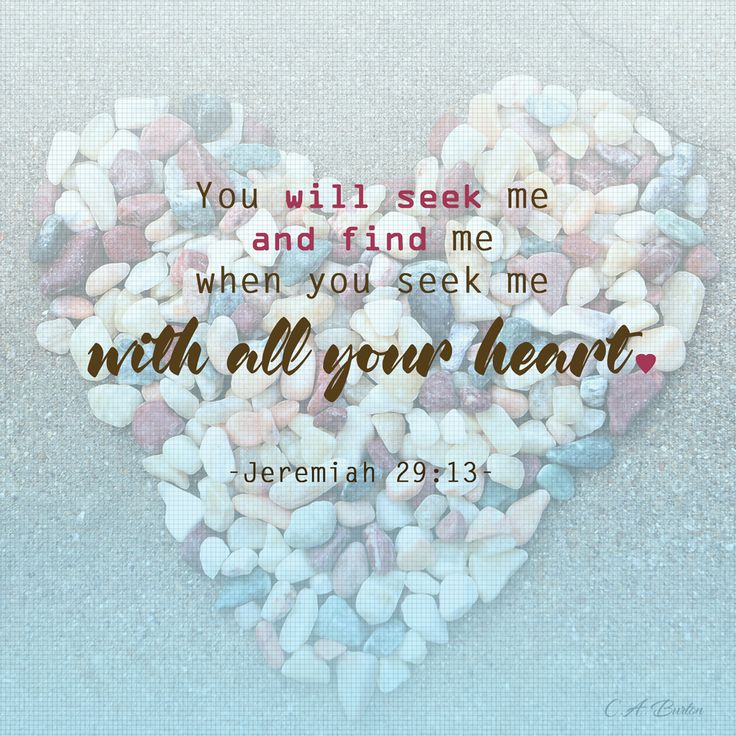


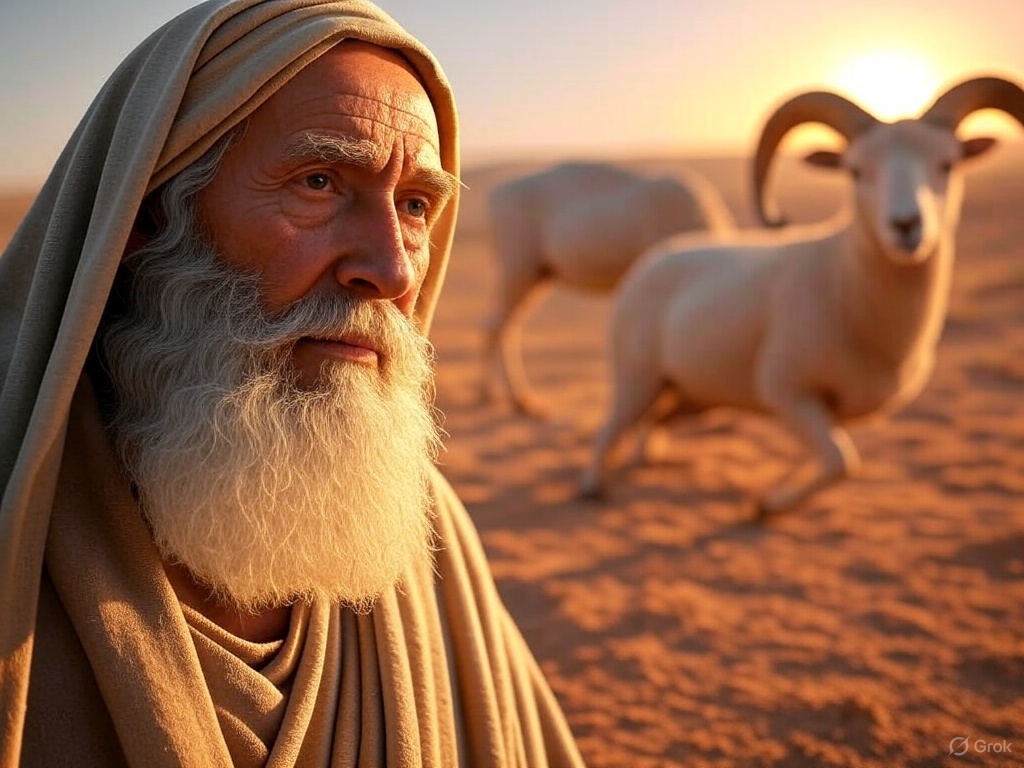
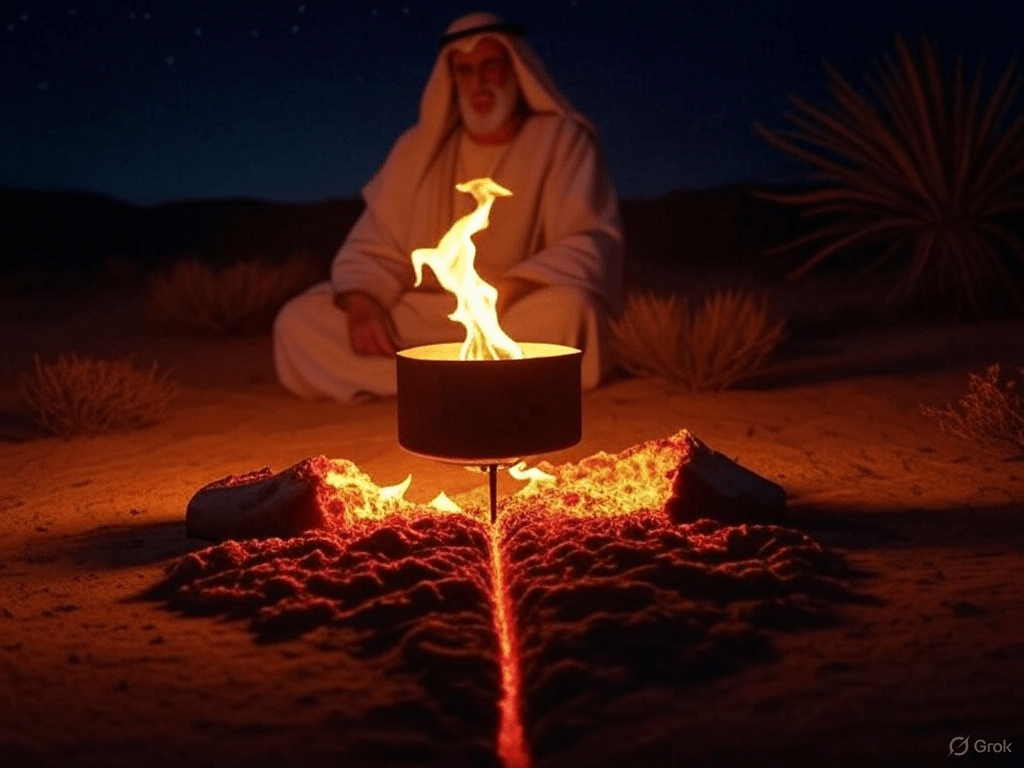








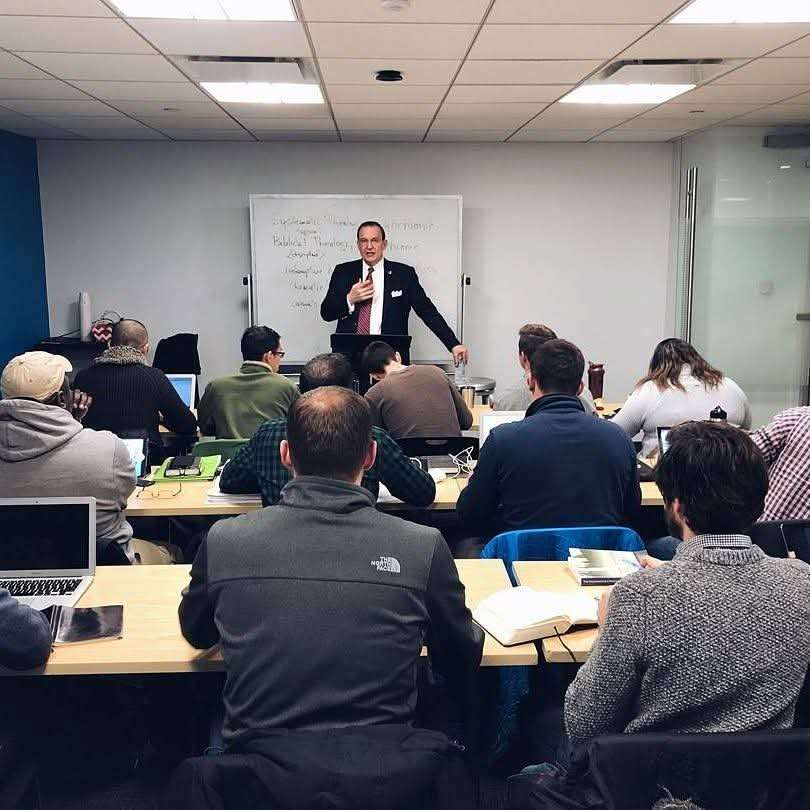


 Al Ngu sermons & devotion