“But now bring me a musician.”
Then it happened, when the musician played, that the hand of the Lord came upon him.
— 2 Kings 3:15 (NKJV)
Introduction
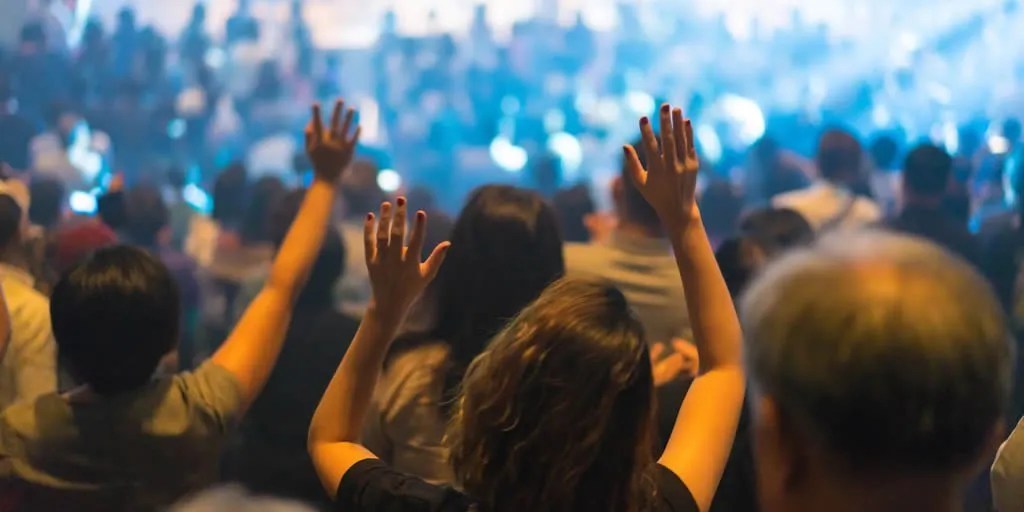
Why do many modern churches end worship so quickly?
Why are moments of musical lingering—those quiet stretches when hearts are still and the Spirit seems near—often labeled emotional manipulation?
Yet, throughout Scripture, music was never simply emotional; it was spiritual. It was the place where the Word met the Spirit, where prophecy was born out of melody, and where God’s presence rested among His people.
1. Music, Presence, and Prophecy in the Bible
From the Old Testament to Revelation, music repeatedly becomes the setting of divine encounter:
- David’s harp brought peace and deliverance to Saul (1 Samuel 16:23).
- Elisha’s musician prepared his heart to hear the voice of the Lord (2 Kings 3:15).
- The Psalms are Spirit-inspired songs meant to awaken holy affection (Ephesians 5:19; Colossians 3:16).
- In heaven, the worship of the Lamb resounds with harps and songs (Revelation 5:8–14).
When music is offered under the anointing of the Spirit, it becomes more than sound—it becomes a sanctuary of revelation.
2. Why Modern Churches Resist Lingering Worship
Many pastors and worship leaders hesitate to let the congregation linger in the presence of God after the songs end. Here’s why:
a. Reaction Against Abuse
Some have seen emotional manipulation in worship—music used to stir tears rather than truth. In response, churches tighten control, choosing safety over sensitivity.
b. Fear of Subjectivism
Reformed theology rightly centers faith on objective truth—Christ’s finished work. Yet some fear that deep emotional worship could make faith feel subjective, dependent on moods rather than on Scripture.
c. Cultural Minimalism
We live in a culture that prizes schedules, not stillness. Extended worship doesn’t fit the production model of many Sunday services.
d. Misunderstanding the Role of the Spirit
There is often discomfort with the tangible, experiential work of the Holy Spirit—His power to touch, heal, or inspire during worship. It feels “too unpredictable.”
3. Emotion vs. Emotionalism
The issue is not emotion itself—it’s emotionalism.
Emotion, when grounded in revelation, is the proper response to the glory of God. Emotionalism seeks feeling for its own sake.
As Jonathan Edwards wrote:
“True religion, in great part, consists in holy affections.”
Genuine worship should move both mind and heart—truth embraced by the intellect, igniting holy passion in the soul.
4. Lingering as Spiritual Formation
Lingering in the presence of God is not emotional manipulation—it’s spiritual formation.
When we wait on the Lord through music and silence, truth travels from head to heart. The Spirit uses that sacred pause to convict, comfort, and renew.
In those moments, worship ceases to be performance—it becomes participation.
We are not merely singing about God; we are meeting with Him.
5. The Congruent Path Forward
The way forward is not to choose between Word and Spirit, but to unite them.
- The Word anchors us in truth.
- The Spirit breathes life into truth.
- Music bridges the two—helping the soul encounter what the mind believes.
When David played, peace came.
When Elisha listened, prophecy flowed.
When the church lingers, the Spirit moves.
So let us not rush the sacred. Let us linger in His presence—until the Word we sing becomes the Word we live.
Closing Reflection
Perhaps the most countercultural act of worship today is not louder music or faster songs, but stillness.
To pause long enough for the Holy Spirit to speak—that is not manipulation.
That is communion.
 Al Ngu sermons & devotion